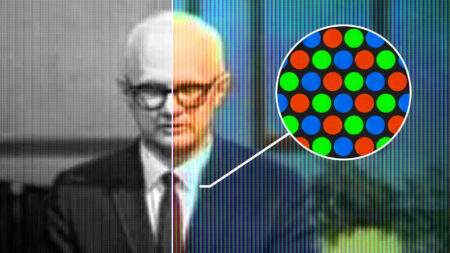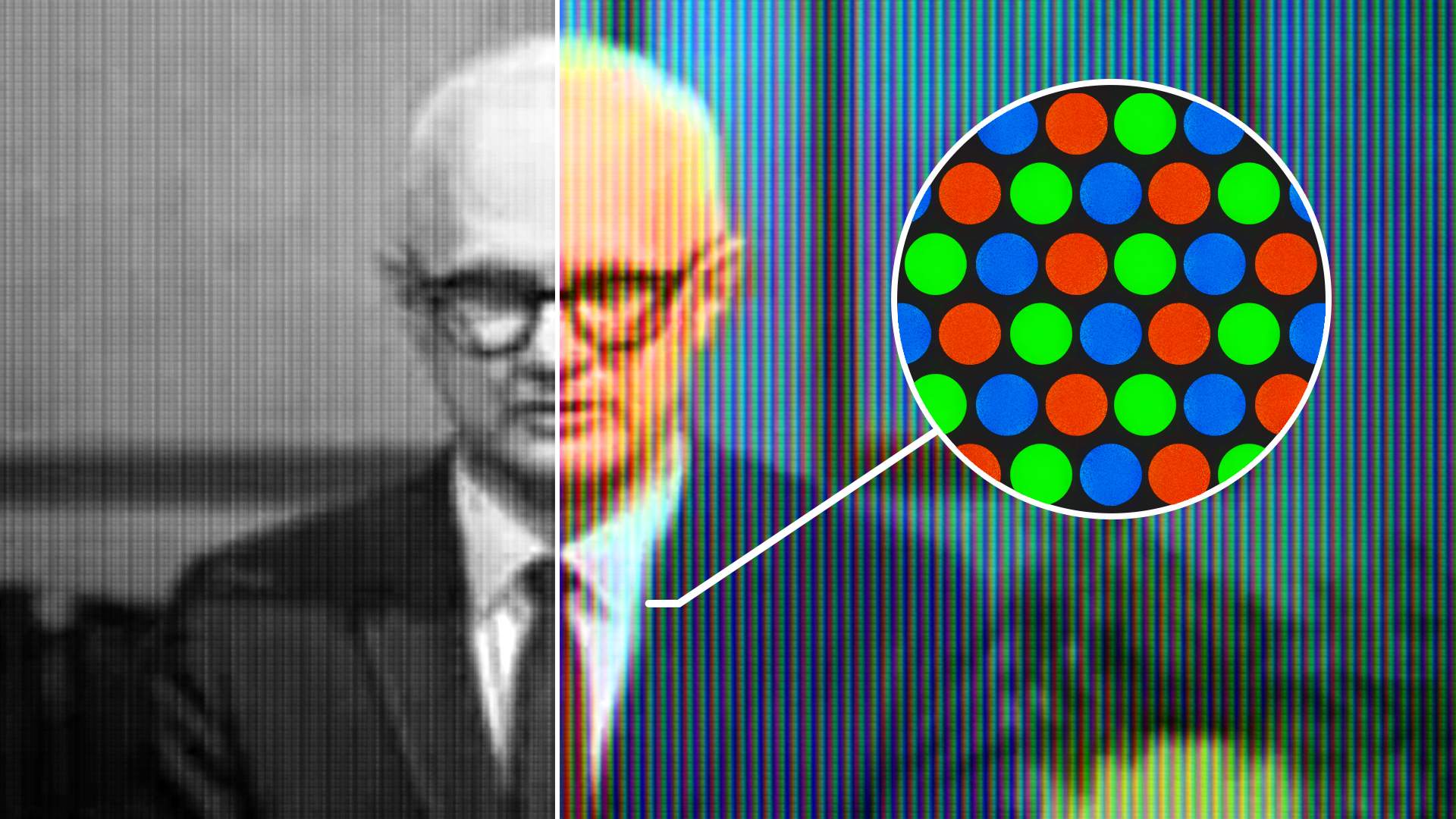

This was the moment the US officially changed from black-and-white to color TV, becoming the first country to do so.
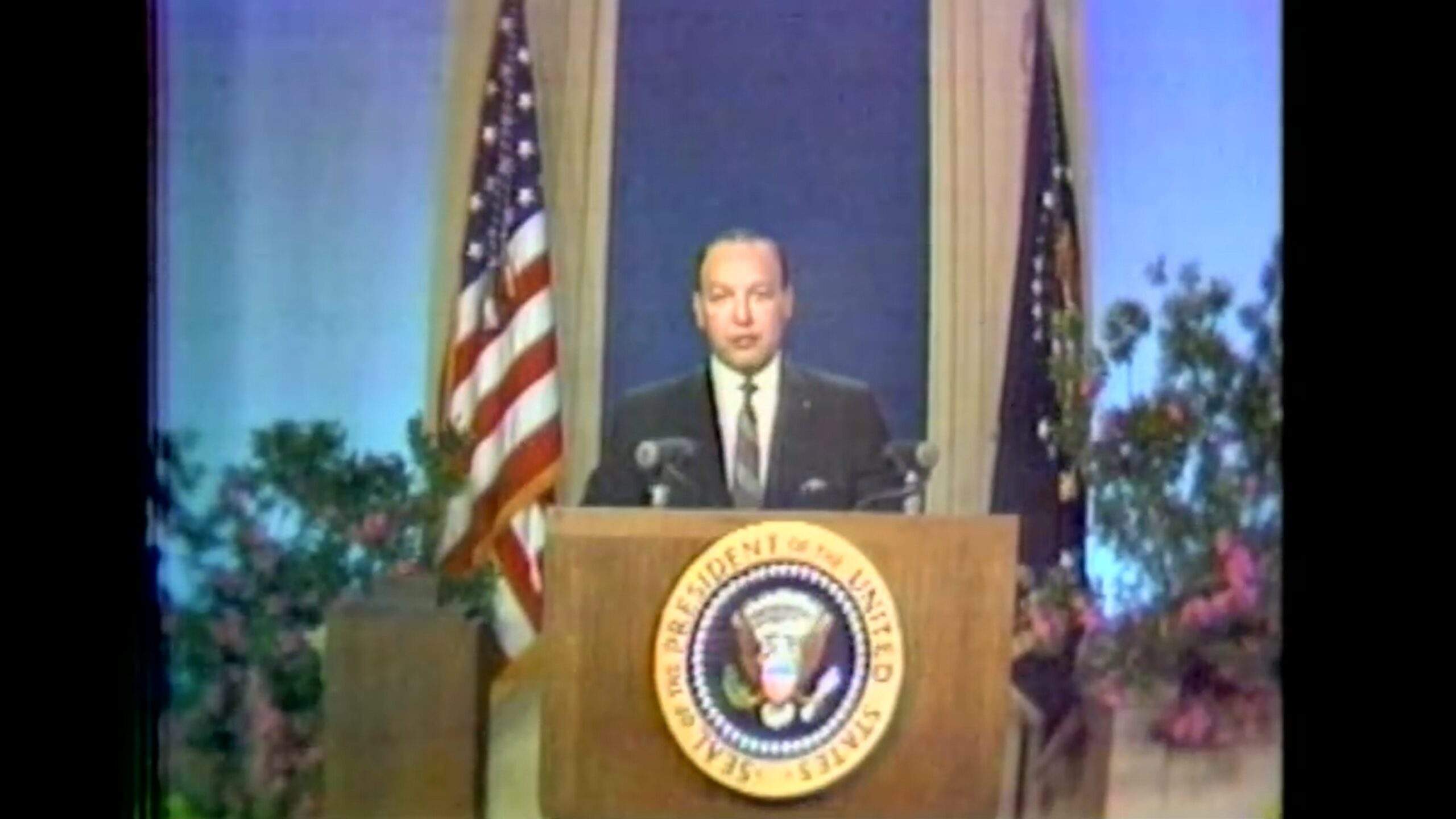
Over the next 30 years, every country in the world made their switch to color TV.
These events were a huge deal. But in reality, color TV had already been invented almost 50 years before this, so why did it take so long to get it?
Although it seems basic now, going from black-and-white to color was an enormous engineering challenge. Color video cameras had to be invented, pixels that tricked eyes into seeing color, and crazy methods of squeezing color into a black-and-white signal.
In order to understand how we got color TV, we need to go back to the invention of TV itself.
Invention of TV
The idea was clear: capture moving images, transmit them over large distances and display them at the other end.
It didn’t exist yet, but it was obvious that something like that would be cool.
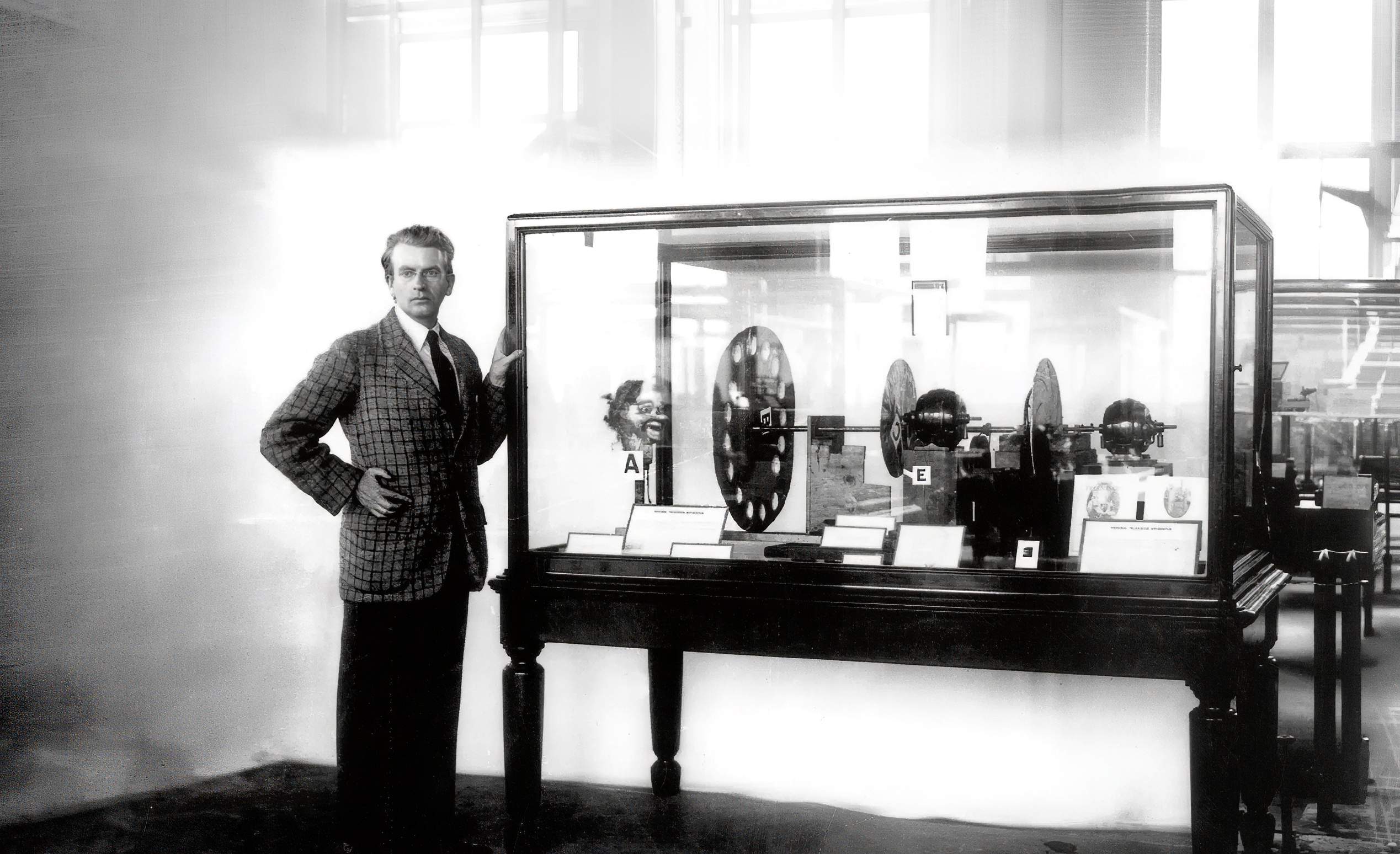
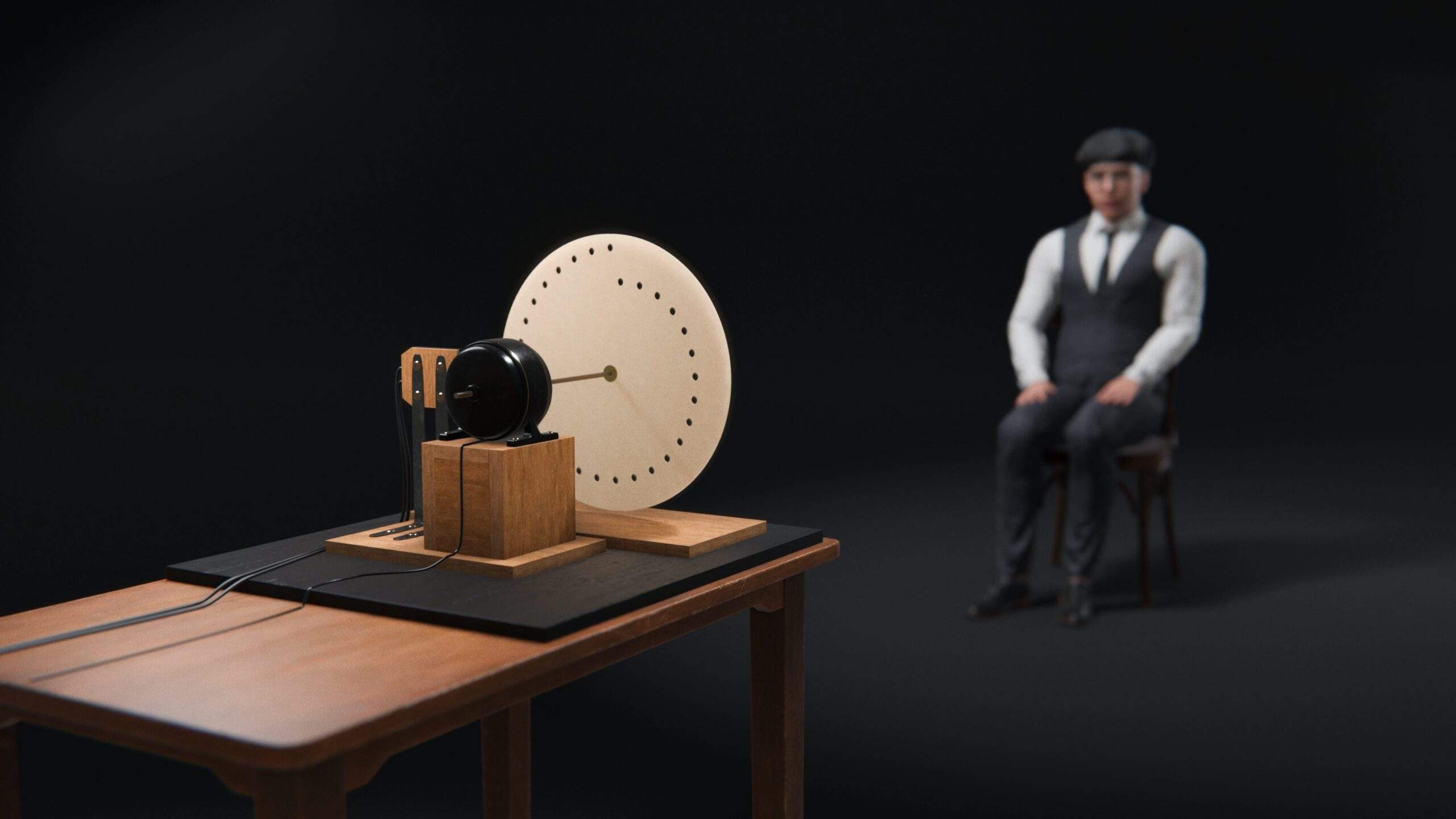
Then in 1925, Scottish inventor John Logie-Baird came up with this, the first ever television. Here’s how it worked.
Mechanical TVs
The subject would sit in front of a spinning disk, which had 30 holes equally spaced in a spiral pattern. As it spun, the holes would scan across a window, capturing the entire frame in a series of 30 vertical lines.
As each hole passed the window, it allowed light into the machine, where it was focused onto a photoelectric cell. This was made from thallium, a material that generated electricity based on its exposure to light. The more light that it received, the more electricity it would generate.
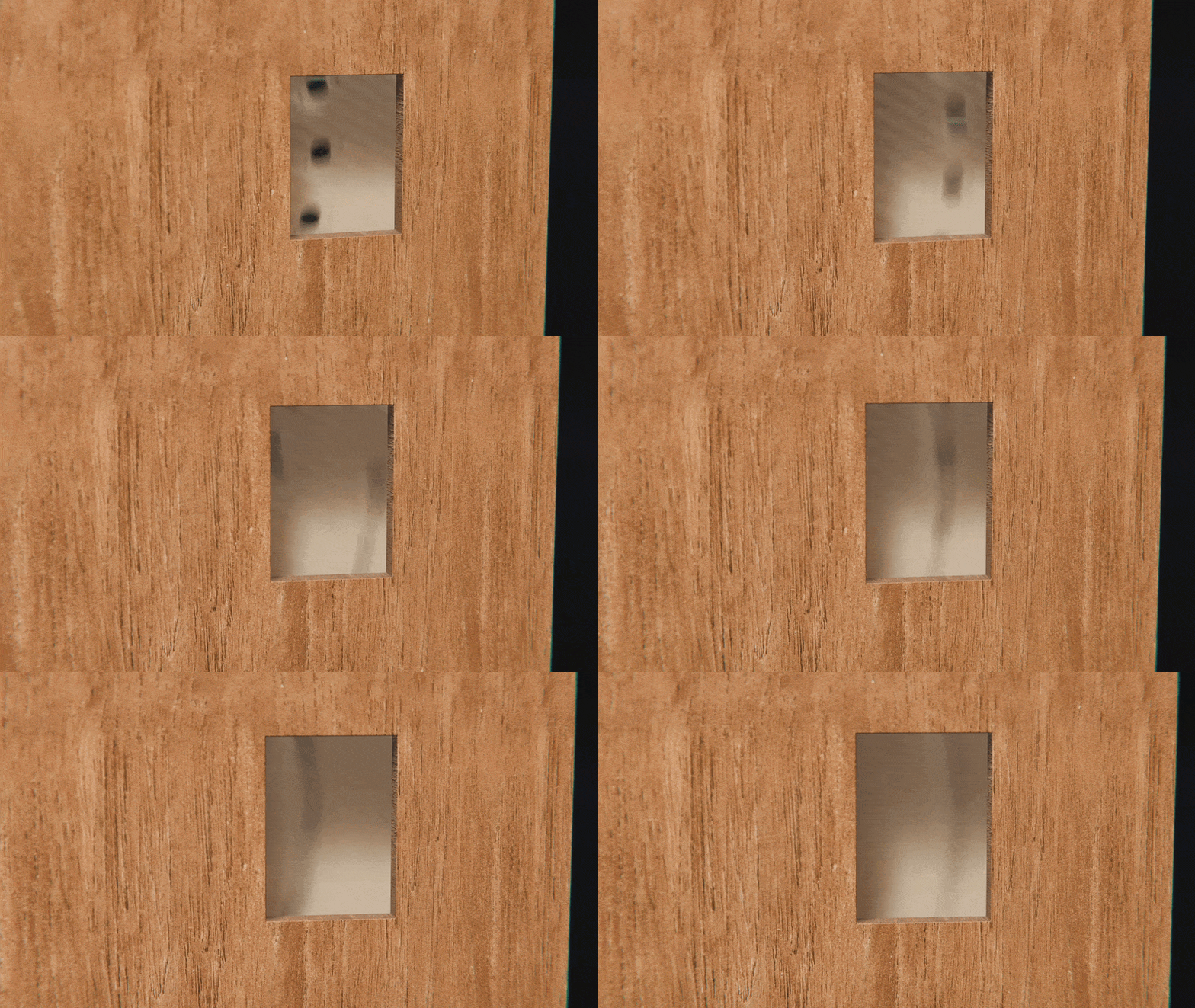
As the holes scanned the subject, the photoelectric cell would measure the changes in brightness and turn that into an electrical signal.
This was then transmitted using either radio waves or telephone cable to the display. From there the process would basically happen in reverse.
First, the signal was amplified and sent to a light bulb, which was placed behind an identical spinning disc. As the disc spun, the electrical signal would vary the brightness of the light, which would fall onto a glass screen at the front of the machine.
Although this was simply a dot of light, it painted the entire frame so quickly that the human eye would blur it into a single image.
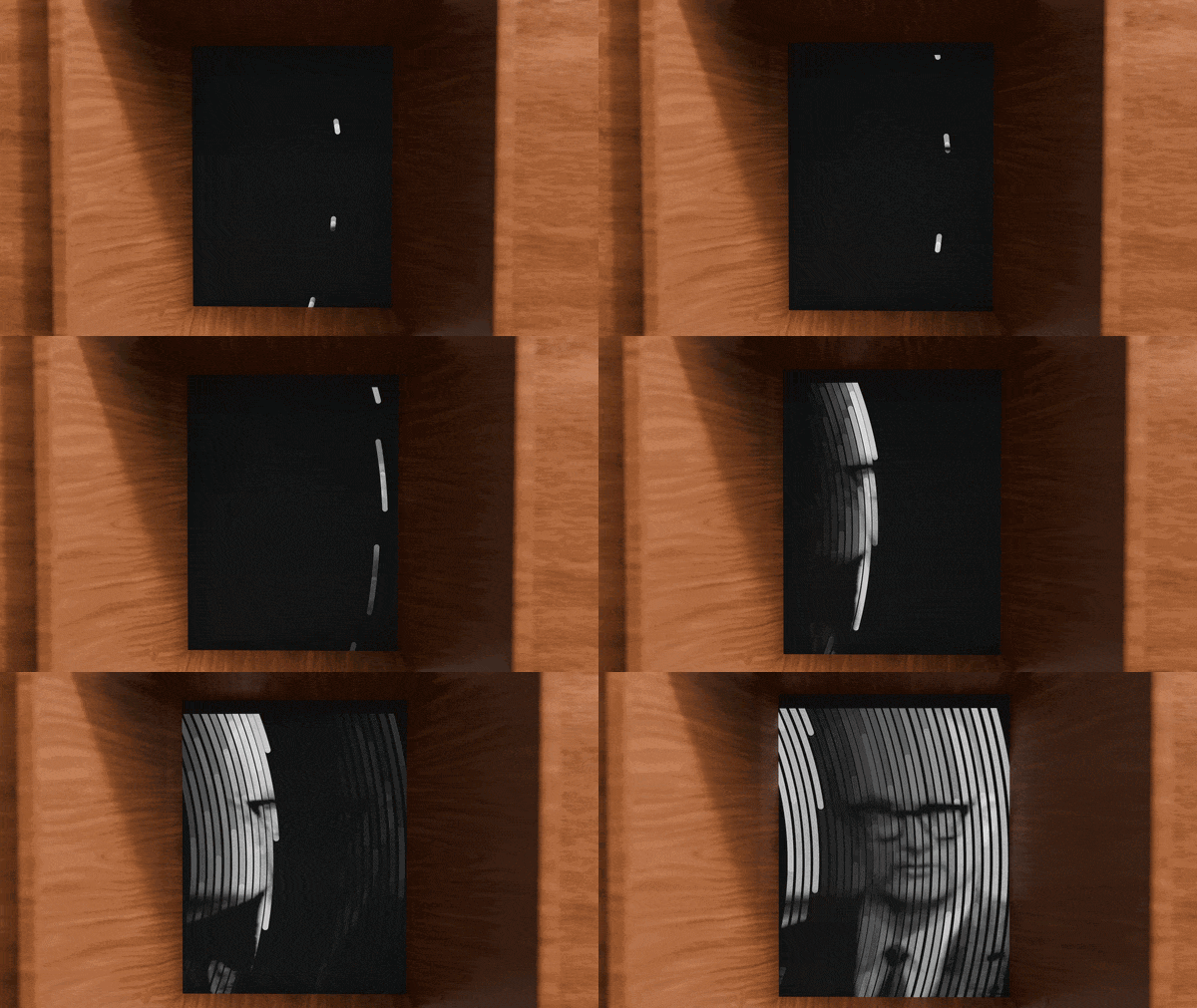
It wasn’t perfect. 30 lines produced a pretty poor resolution, and with only 5 frames per second, the playback was choppy. But Baird’s first demonstration was powerful. It was recognizably a human face, being transmitted wirelessly in real-time. The idea of the television was now a reality.
A few years later, Baird took his demonstration to the next level by broadcasting moving images all the way from London to New York using radio waves. His next challenge was figuring out how to introduce color into his TV.
Color Mechanical TVs
He modified his spinning disk by splitting the holes up into 3 different groups and adding red, green and blue filters to each section. As the disk spun, it would scan the entire frame one color at a time, recording the light levels of each specific color.
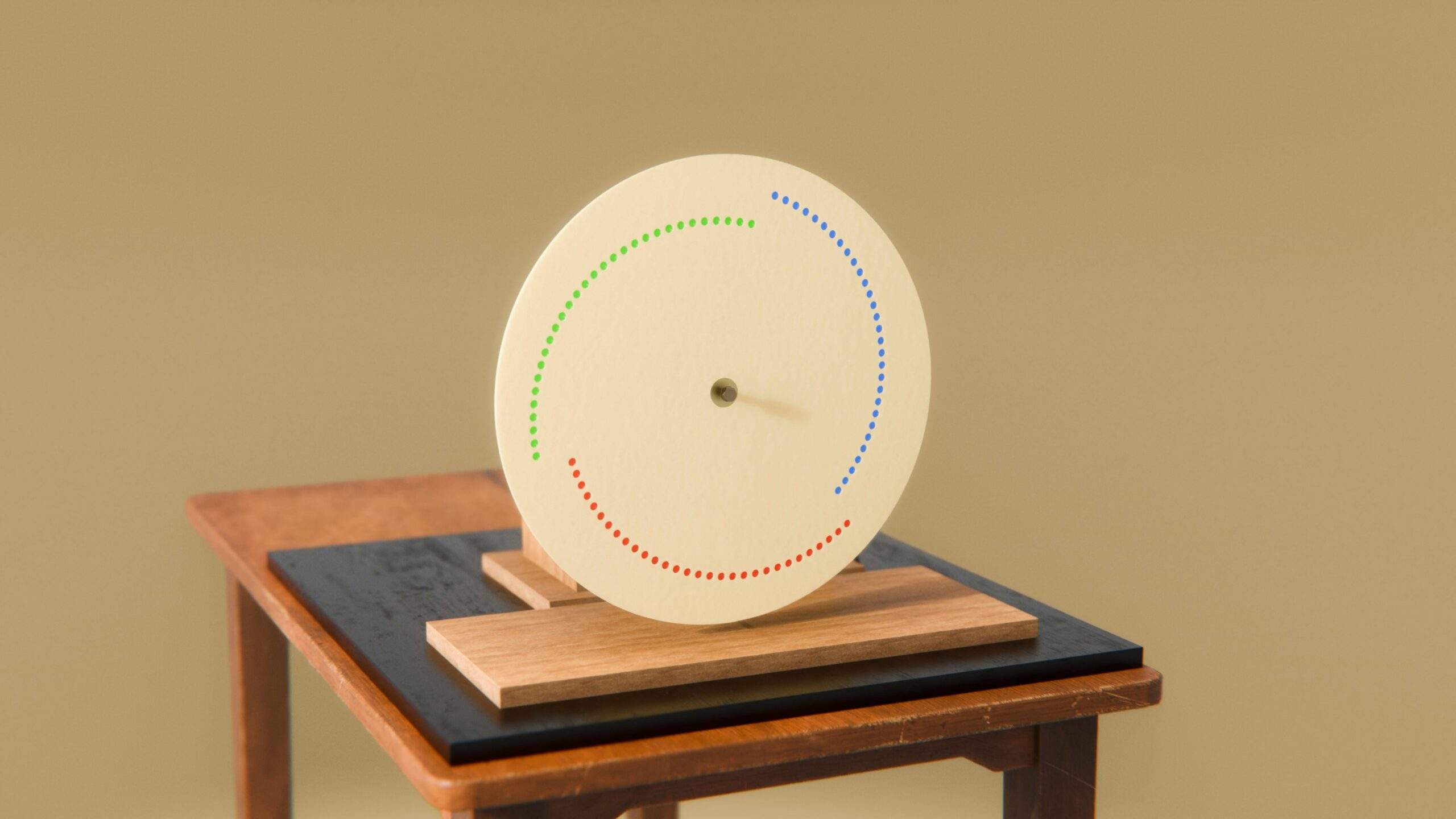
On the receiver end, this process would be reversed. The incoming signal for the red light would control the bulb just as the red holes passed by. Then the green signal would control the green holes, and the same for the blue holes.
This would quickly display red, green and blue frames sequentially, each with slightly different light values. Because the human brain holds onto images for a split second, the colored frames would blend together perfectly to form a complete color image.
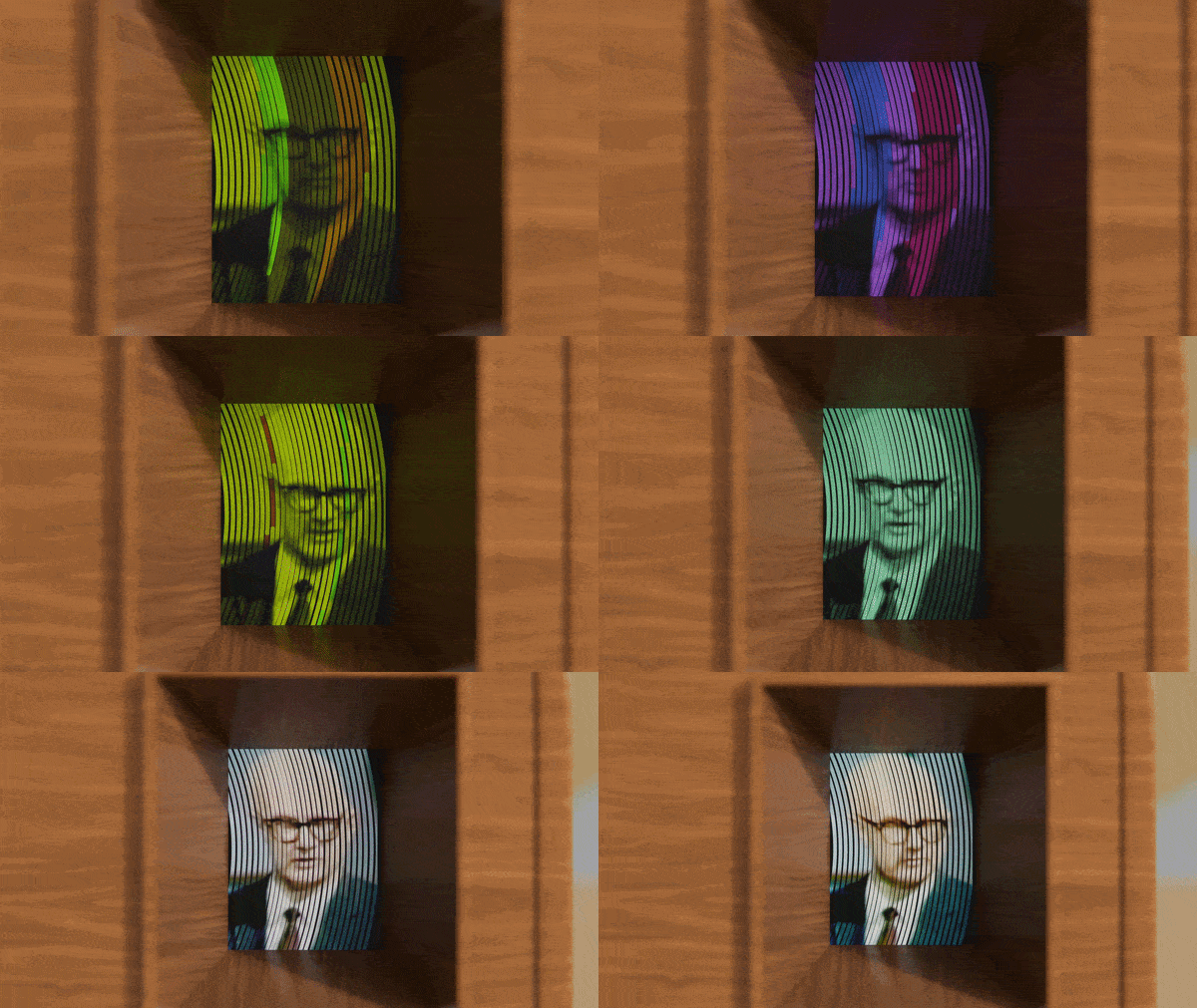
Baird demonstrated his color TV at an event in 1928, placing different colored flowers and a basket of strawberries in front of the recorder. Although the screen was only 2 inches wide, the people at the event were stunned by the vibrance they were seeing – and once again, Baird had been the first person to make it happen.
Limits of mechanical TVs
But sadly, his mechanical system was extremely limited. The resolution was just 15 lines wide, and it still only had a frame rate of 5 frames per second. With this system, he’d need a much larger wheel, spinning at crazy RPMs to produce a sharp and smooth image.
Baird continued on with his mechanical system, but elsewhere, inventors from around the world were about to crack the code for a new kind of TV, electric TV.
Cathode Ray Tube
60 years before this, German physicists Heinrich Geissler and Julius Plucker were experimenting with gas and electricity. They placed two pieces of metal inside a glass tube, sucked most of the air out to create a vacuum and applied electricity to the metal. To their surprise, the whole tube started to glow.
The more air they sucked out, the more the light got focused to a point at the end of the tube. Plucker then placed a magnet next to the tube and realized that it caused the light to move.
As it turned out, the electricity was causing electrons to shoot out from the cathode, and as they collided with the end of the tube, they released energy in the form of light.
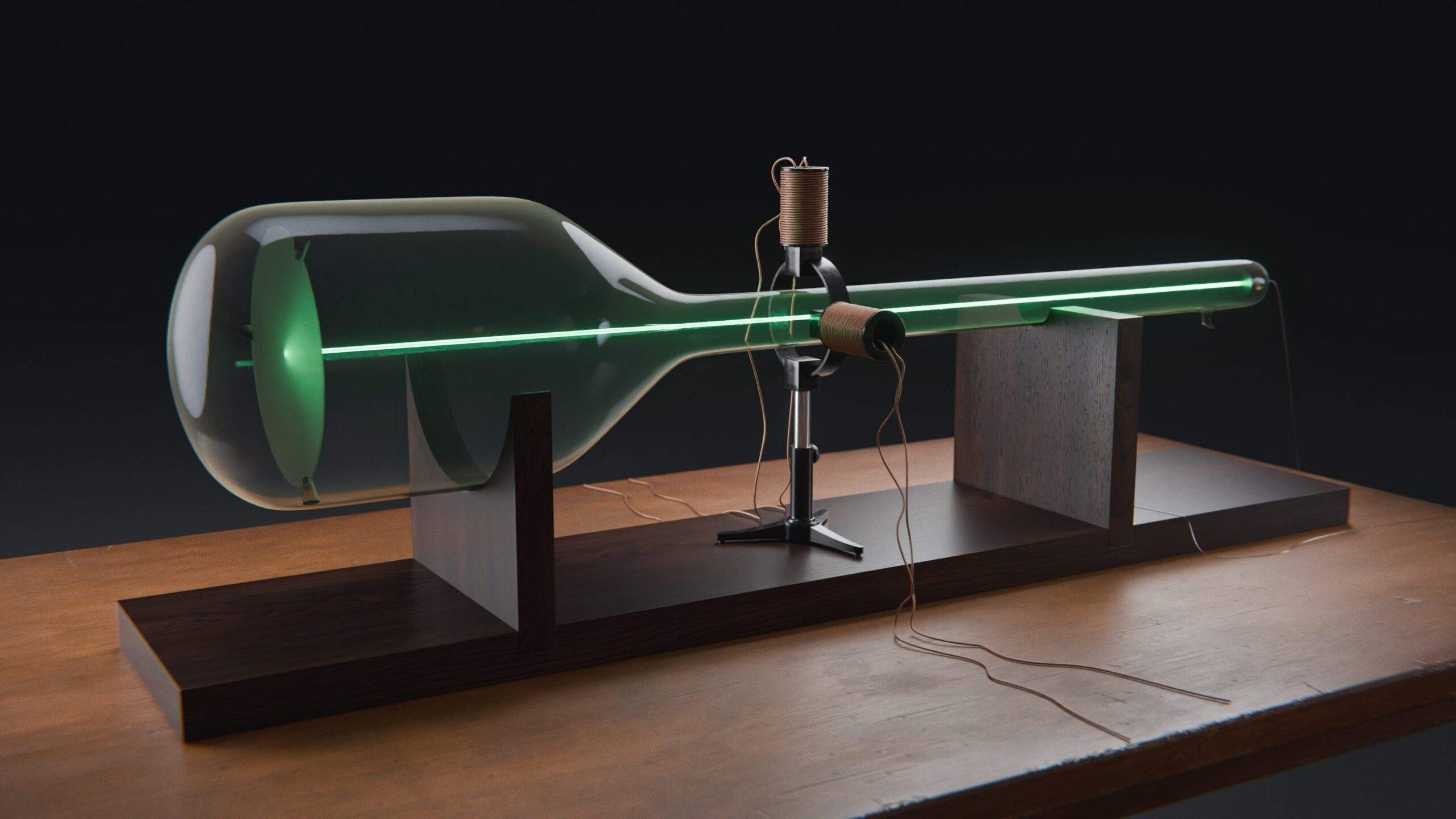
Another German, Ferdinand Braun took this concept and made the first ever cathode ray tube. This was an electron gun with 2 magnets that could precisely deflect the beam vertically and horizontally, steering the light onto a small screen at the end of the tube.
By the late 1920s, multiple inventors from all over the world were trying to make a TV using cathode ray tubes.
In the same way that mechanical TVs painted lines across the screen, a cathode ray tube could do the same, but without any moving parts. The deflectors inside the CRT could bend the electron beam to form precise lines across a screen, varying its brightness along the line based on the electrical signal and forming a clear image.
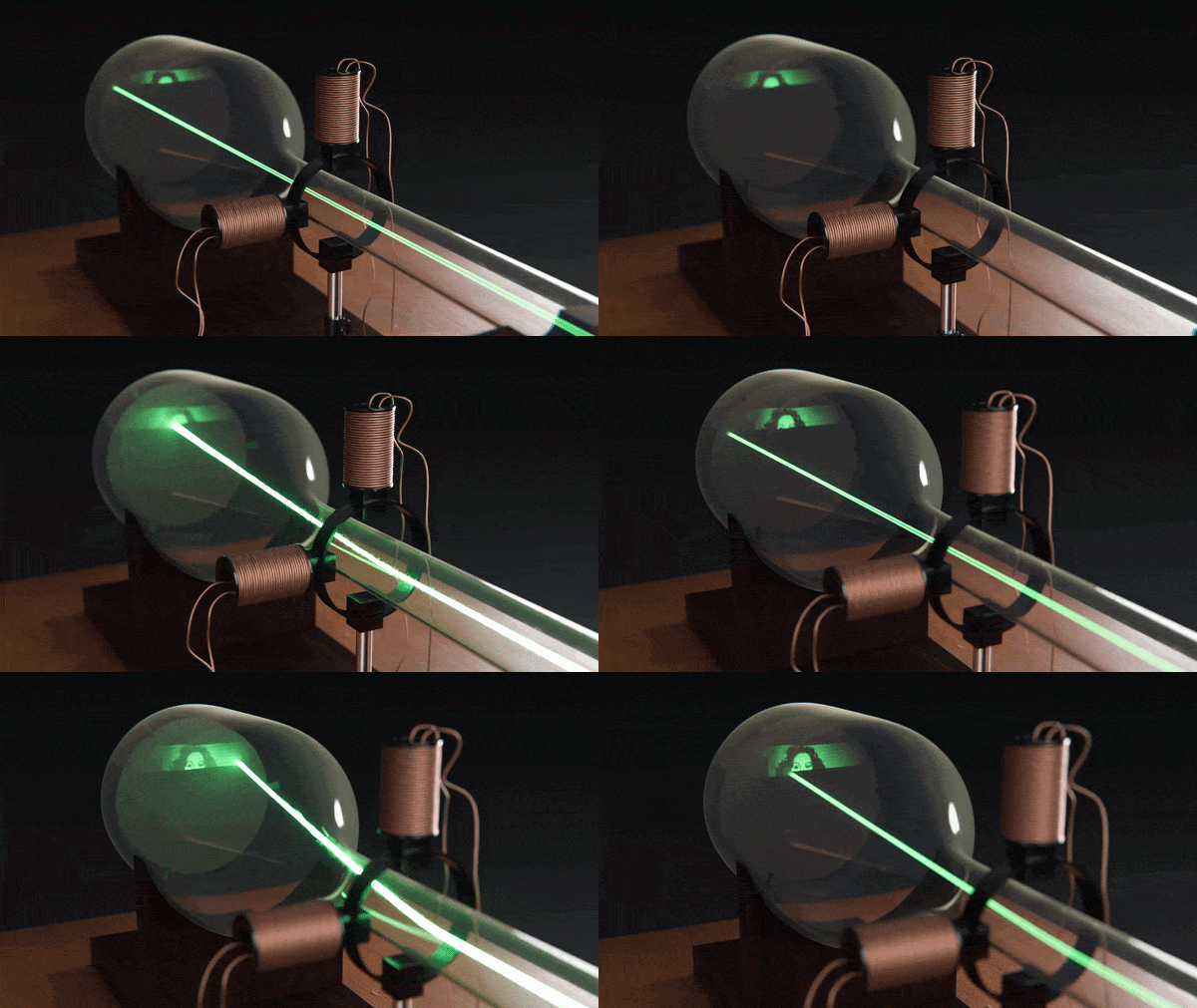
CRT powered TVs
In 1927, Japanese inventor Takayanagi showed that this was possible, and came up with a CRT powered display with 100 lines of resolution. It was an impressive achievement, but his TV still relied on a mechanical disk like Baird’s to capture the light and produce the colored signals. The real challenge was figuring out how to actually record light using a CRT.
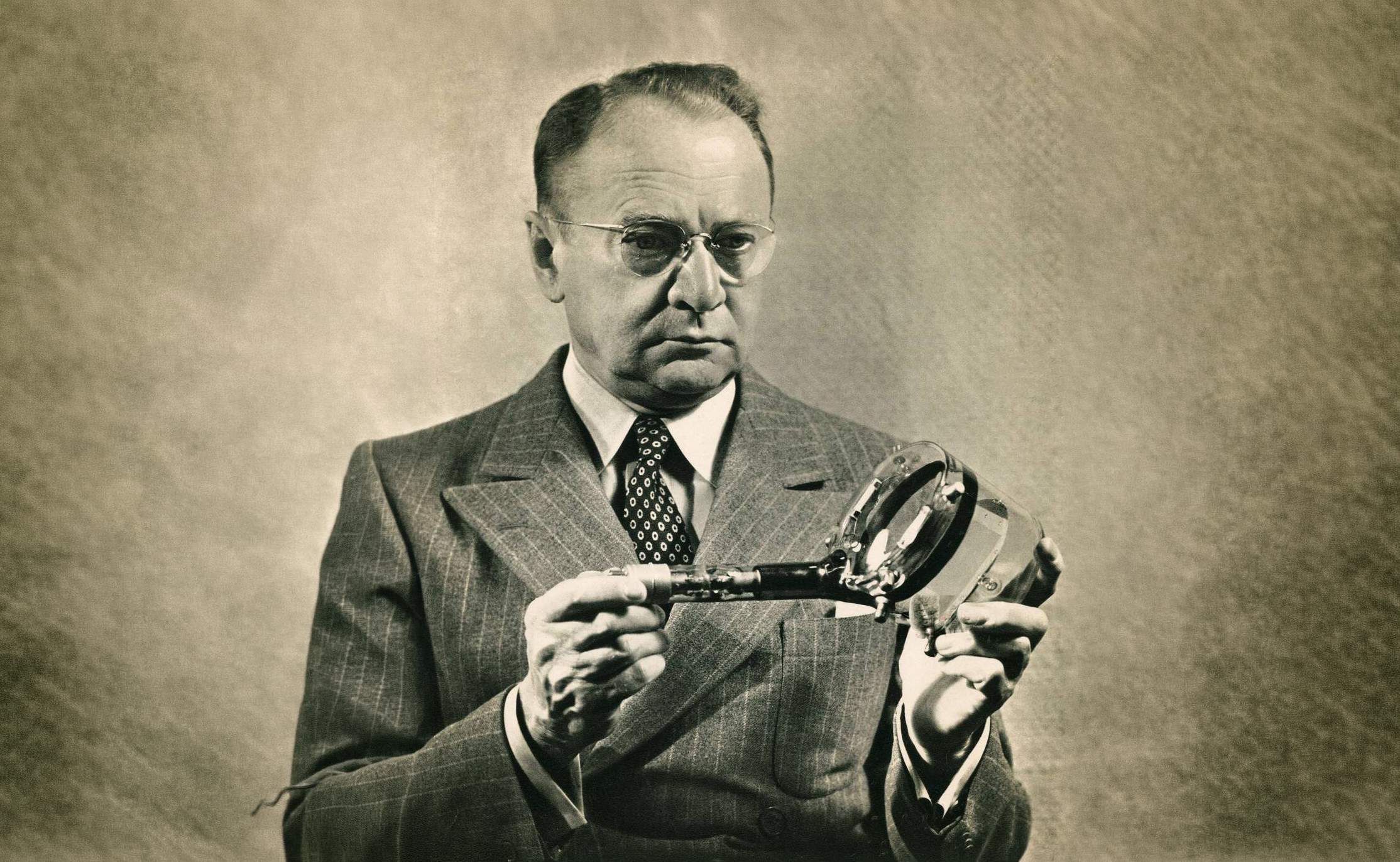
Several years went by, but in 1933, Russian-American inventor Vladimir Zworykin finally came out with this, the Iconoscope, which was essentially the world’s first video camera. Here’s how it worked.
Light from the subject entered a lens which focused it onto a thin mica sheet inside the system. The back of the sheet was covered in a thin film of silver and the front was covered in tiny photosensitive grains, like thousands of tiny pixels.
As light from the subject hit the grains, they would emit electrons and lose their charge. The more light that hit the grains, the more electrons would be released. This would effectively save an inverted snapshot of the image on the sheet, with dark areas retaining their charge and lighter areas losing it.
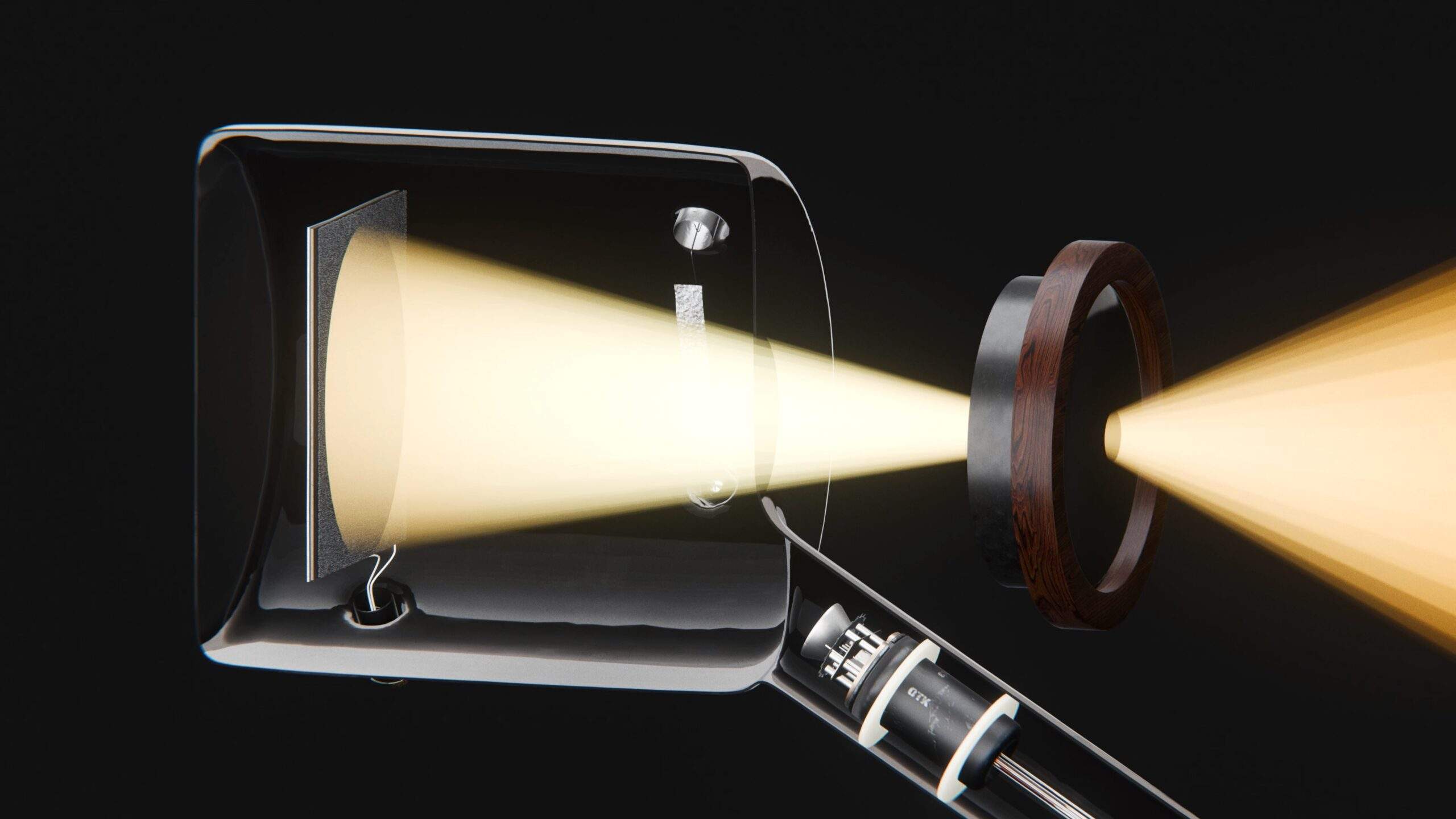
An electron gun inside the tube would then scan the sheet one line at a time, just like a CRT. When it hit areas that still had their charge, the electron beam would bounce back and hit a detector, which turned the reading into an electrical signal.
And so by doing this at every point across the screen, a light level signal for the whole frame could be produced. This signal could then be transmitted, inverted and turned back into an image using the CRT in the television.
With the ability to scan 343 lines at 30 times a second, it had much higher resolution and much smoother playback than anything that had been invented so far.
By the mid 30s, it was clear that CRTs were the future of television. But once again, the question was; how do we add color?
Color CRTs
American company RCA developed a special color video camera that took the incoming light and filtered it through special prisms to separate the red, green and blue. Each color was then directed onto separate iconoscope-style cameras, which would generate a signal for each color.
At the television end, those signals would be fed into three separate CRTs, and the images would be recombined back onto a single screen using a series of lenses. This sort of worked, but aligning the images was difficult and having 3 CRTs essentially made the TV three times more expensive.
On top of that, sending 3 separate color signals instead of a black-and-white signal made it completely incompatible with existing black-and-white TVs.
By this point, the number of black-and-white TVs across the US had risen from just 10,000 to over 5 million in just a few years – and asking all of these people to suddenly upgrade to a more expensive color TV wasn’t going to go down well.
There needed to be a color TV that was cheap and could work with existing black-and-white TVs.
Shadow mask
RCA’s idea was to have a single CRT made from three electron guns that scanned the screen together. The screen itself was carefully coated with red, green and blue phosphors, arranged in triangular patterns, so that when they were hit by electrons, they would light up depending on how strong the beam was.
With this, they could precisely control the color values for each cell, and when viewed from far away, the colors would blend together to produce a real color image.
It was a good idea in theory, but the electron guns at the time just weren’t focused enough to hit such small targets.
That’s when they came up with this simple but genius solution.
Just behind the screen, they added a metal plate called a shadow mask. This had thousands of tiny holes behind each set of phosphors.
Because the electron guns were slightly spaced apart, the beams would pass through the holes at slightly different angles, causing them to only hit the correct phosphor. Even if the beams weren’t so accurate, the holes in the shadow mask would make sure that they could only hit those very precise parts of the screen.
As the beams moved across the scan line, they would paint this triad of colors onto the screen, with varying levels of red, green and blue depending on the signal. This happened so fast, that the human eye saw it as a perfect color image.
This was the breakthrough that TV needed, and it became the standard broadcasting system across the US. But there was still one huge problem.
NTSC color transmission
By this point, a large amount of radio frequencies had already been assigned to things like aviation, ships, military communication and radio. Allowing TV channels to use any of these would interfere with all of these important things.
12 channels were assigned their own space on the radio spectrum, and the FCC decided that a single channel had to fit into a bandwidth of 6 MHz. This was easy for black-and-white channels, but color channels would need 3 times as much bandwidth.
The trick was to hide the color information in between the black-and-white signal without using any more bandwidth.
Before the signal was transmitted, the red, green and blue signals were combined to create an overall brightness signal called Luma. This was essentially the same kind of signal that a black-and-white TV would use.
Then separately, the color signals were added and subtracted with pre-defined formulas to make two separate signals called I and Q. I essentially covered the orange and blue hues, while Q covered the green to purple hues.
If we look at basic I and Q sine waves, the signal basically moves back and forth between these hues and the overall amplitude determines the saturation.
These two signals were phased 90 degrees apart and combined to create the chrominance signal.
This signal was modulated onto the luma signal at a frequency of 3.57 MHz. For black-and-white TVs, this frequency would be filtered out, and the basic luma signal would be used.
But for color TVs, the luma signal would be filtered out, leaving behind only the chrominance signal. From here, all of the individual color signals could be decoded.
Before the start of each line, there would be a short burst of a generic 3.57 sine wave. The TV would lock onto this and use it as a reference. By comparing the chrominance wave to this sine wave, and figuring out the difference, the I signal could be decoded. Then by shifting the chrominance wave by 90 degrees, and comparing the difference once again, the Q signal could be decoded.
Since I and Q values were made using known formulas, the math would essentially be reversed to figure out the individual red, green and blue signals. Those were then sent to each electron gun in the TV and the lines were drawn onto the screen.
This genius encoding method meant that all of the color information could be squeezed into the same bandwidth of a black-and-white signal, and that same signal could also be read by existing black-and-white TVs. It became the broadcasting standard across America, a standard which lasted for over 60 years until analog finally gave way to digital in the 2000s.
Despite this, the number of color TV households took a while to catch up, only overtaking black-and-white in the early 70s.
It may seem like old and simple tech now, but the engineering and creativity that went into inventing it was astonishing.