
It’s the year 552, somewhere in Northern Persia. Two Roman monks are returning to Europe after a long pilgrimage around China. But what started out as a religious expedition has now turned into a case of industrial espionage. Inside their canes are hundreds of silkworm eggs, smuggled from the silk factories of China. When these worms hatch, they will start producing strands of silk, the secret ingredient behind the world’s most luxurious and expensive products.
For centuries, China has kept the entire silk-making business top secret. Anyone who tried to leak the process outside of China would be executed, and most of the world still thought that silk came from trees. This gave China a complete monopoly over the world’s most valuable product – but all that was about to change.
The monks safely make it back to Europe, and soon after, silk factories start opening up throughout the eastern Roman Empire, powering the Roman economy and ending China’s 3,000 year monopoly.
But where did this all come from? And how did China master silk-making in the first place?
Why silk was so popular
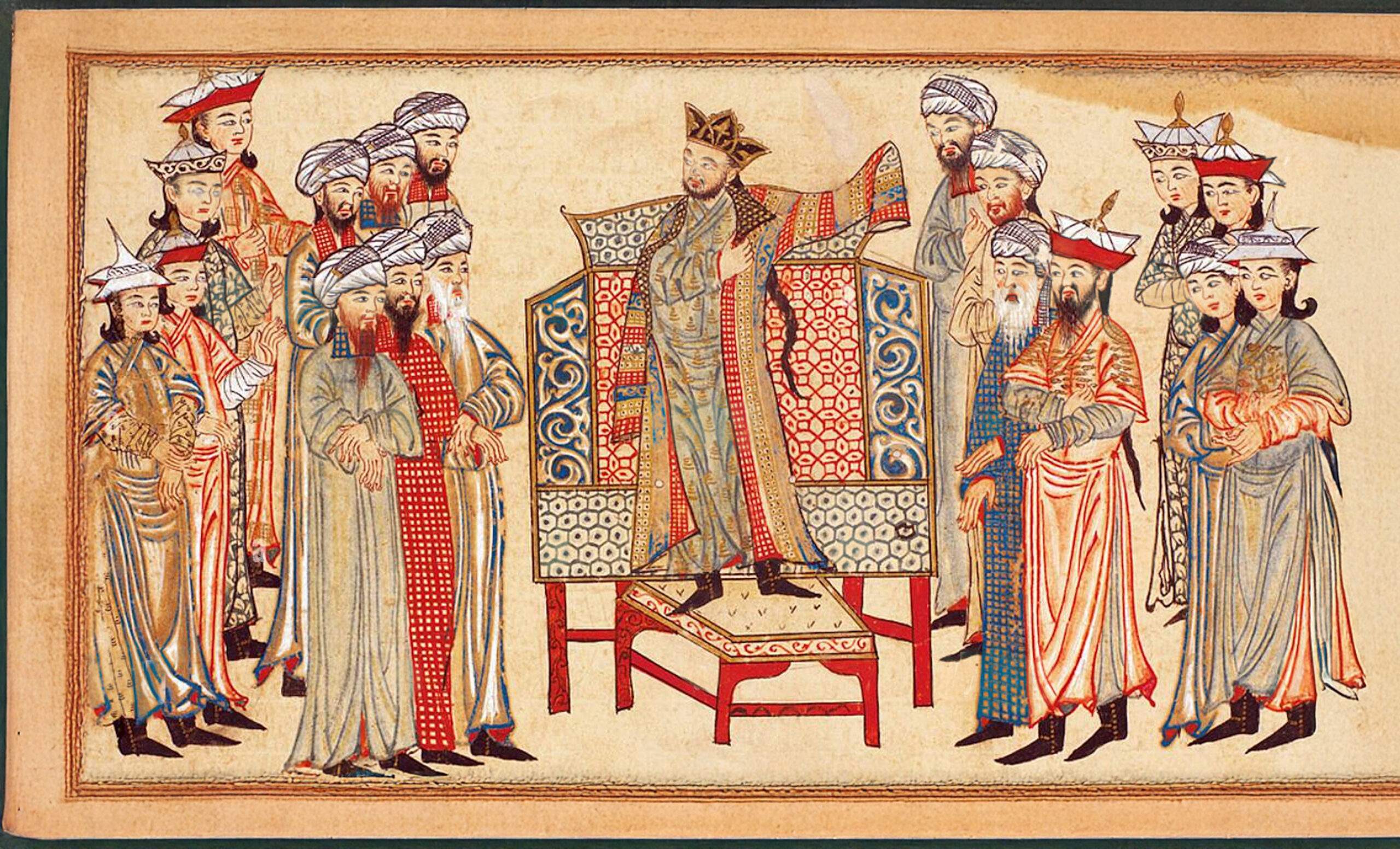
For thousands of years, silk was the ultimate status symbol for emperors, high members of society and pretty much anyone that could afford it. In some places, it even started being used as a currency, with a value even greater than gold.
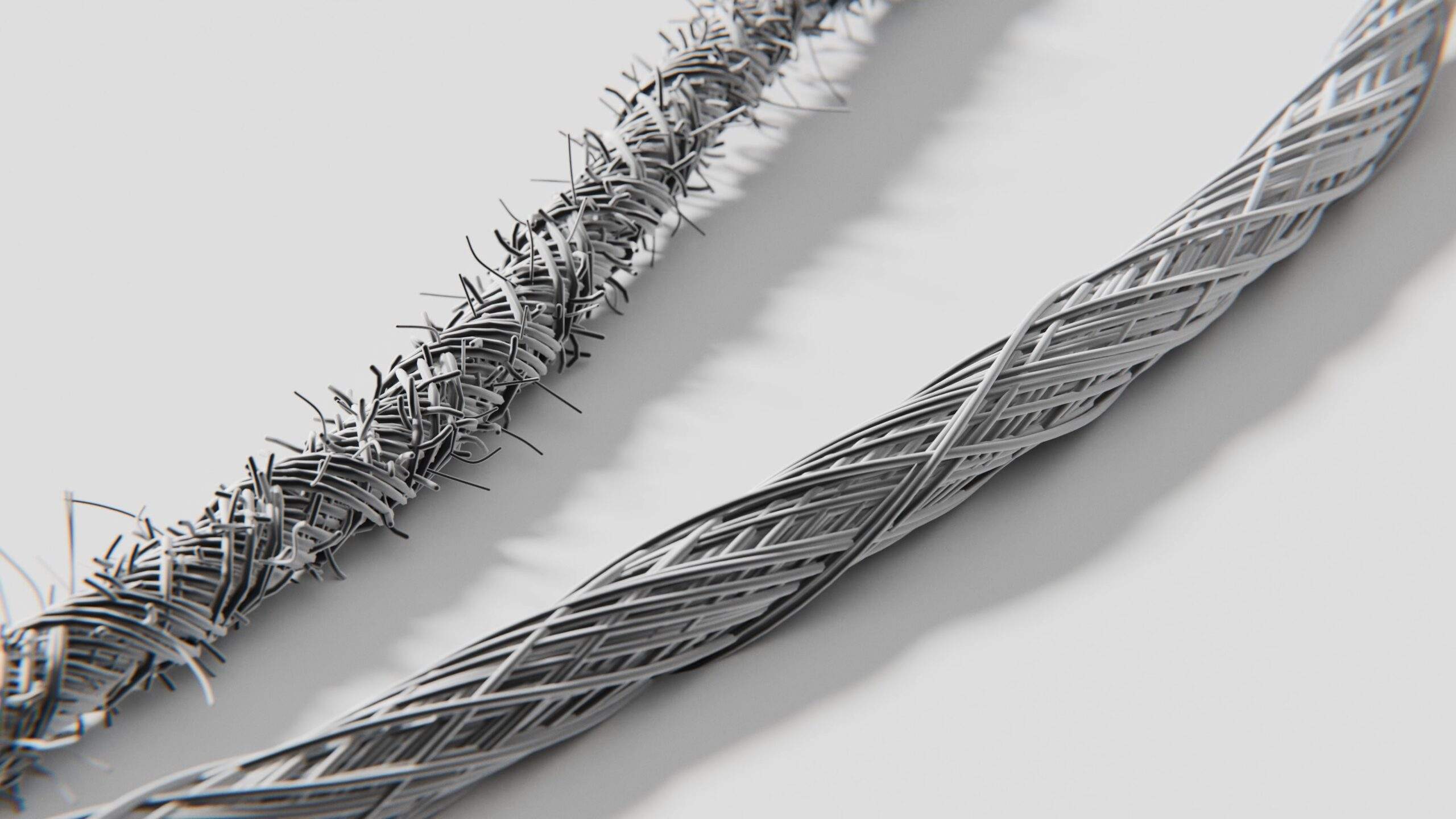
Unlike cotton or wool, which was made from short strands intertwined together, silk was made from long continuous strands, making it ultra-smooth and shiny.
But how did ancient civilizations first realize they could get this fine natural product from worms?
Discovering silk
It all started almost 5,000 years ago with a cup of tea. As the story goes, the Empress of China was sitting under an old mulberry tree, when something fell into her cup. As it soaked into the tea, it began to unravel into a continuous strand of fiber, much thinner than a human hair.
To the Empress’ surprise, the strand just kept going, stretching out to more than a hundred meters long. As it turned out, what fell into her cup was the cocoon of a silkworm.
Silkworm life cycle
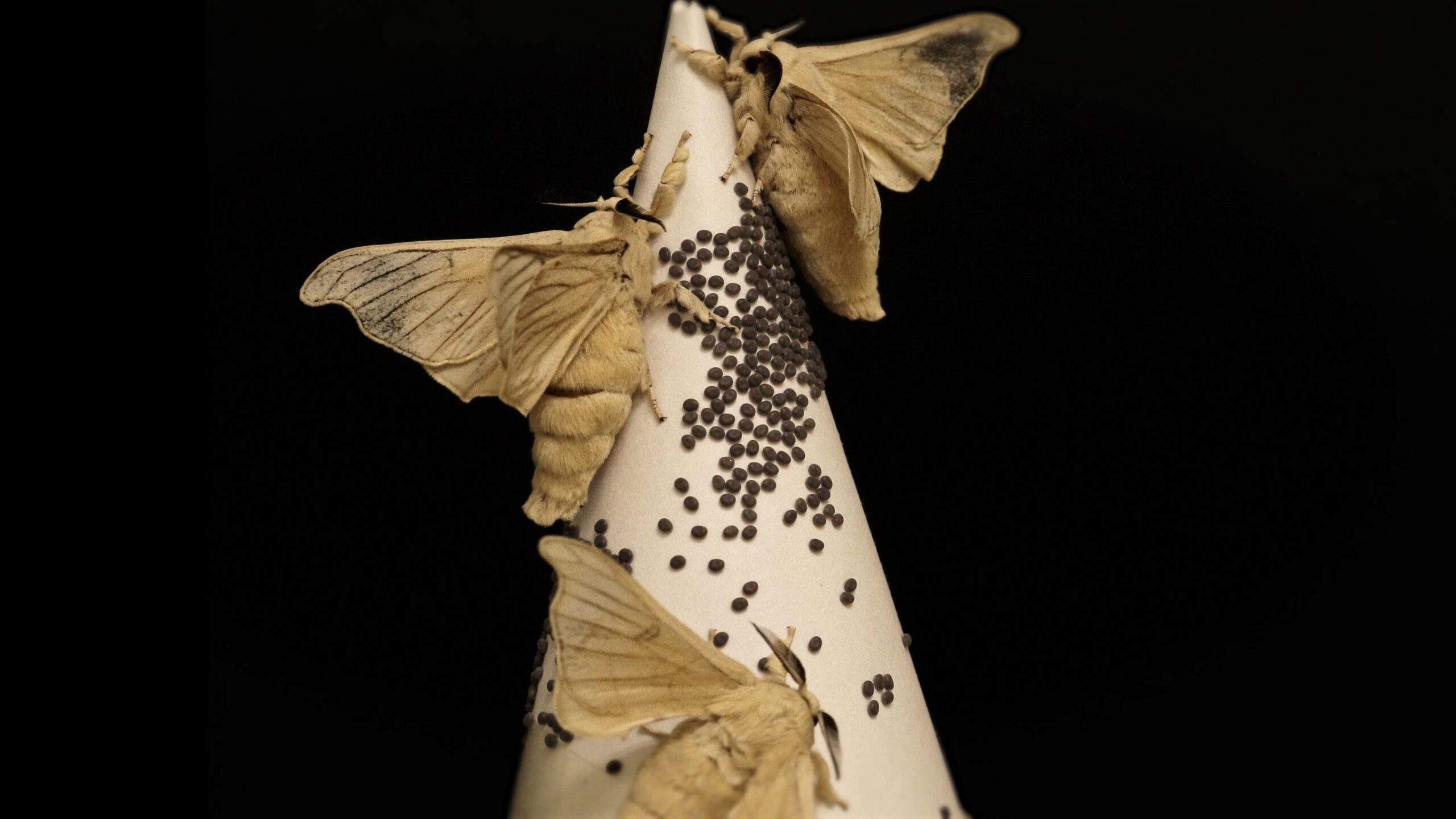
Silkworms come from tiny eggs laid by the silk moth. Once the worms hatch, they spend around a month feeding exclusively on leaves from the mulberry tree, which at that point could only be found in Eastern Asia.
During this phase of the silkworm’s life, they grow to almost 10,000 times their original size. At this point, they’re ready to start making silk.
Over the course of a few days, they start surrounding themselves in their own cocoon. Special glands release a fine filament of protein, soaked in a glue-like liquid. As it touches the air, it hardens and forms a continuous strand of fiber. A single cocoon can have almost a kilometer’s worth of continuous silk fiber.
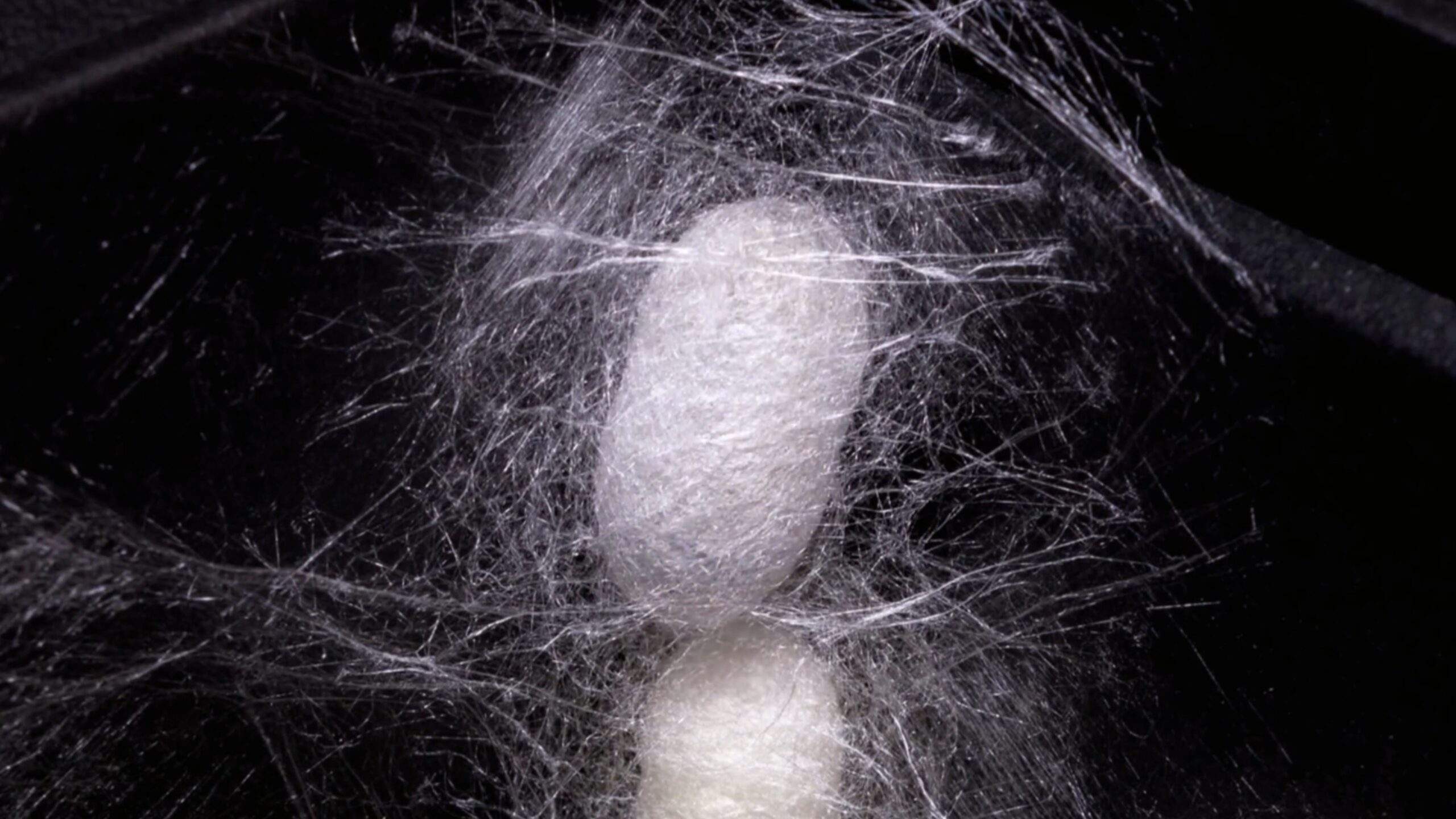
Although it’s incredibly thin, a silk strand is one of the strongest naturally made materials, with a tensile strength higher than steel.
It was the holy grail of fibers, and ancient China figured out how to master it.
They started placing the silkworms onto trays filled with mulberry leaves, and leaving them to fully grow. Once the cocoons were made, it was time to unravel them.
Harvesting the silk
The cocoons would be soaked in a bucket of boiling water, killing the silkworm inside before it could turn into a moth and break through the fiber. The hot water also helped to soften the glue holding the strands together.
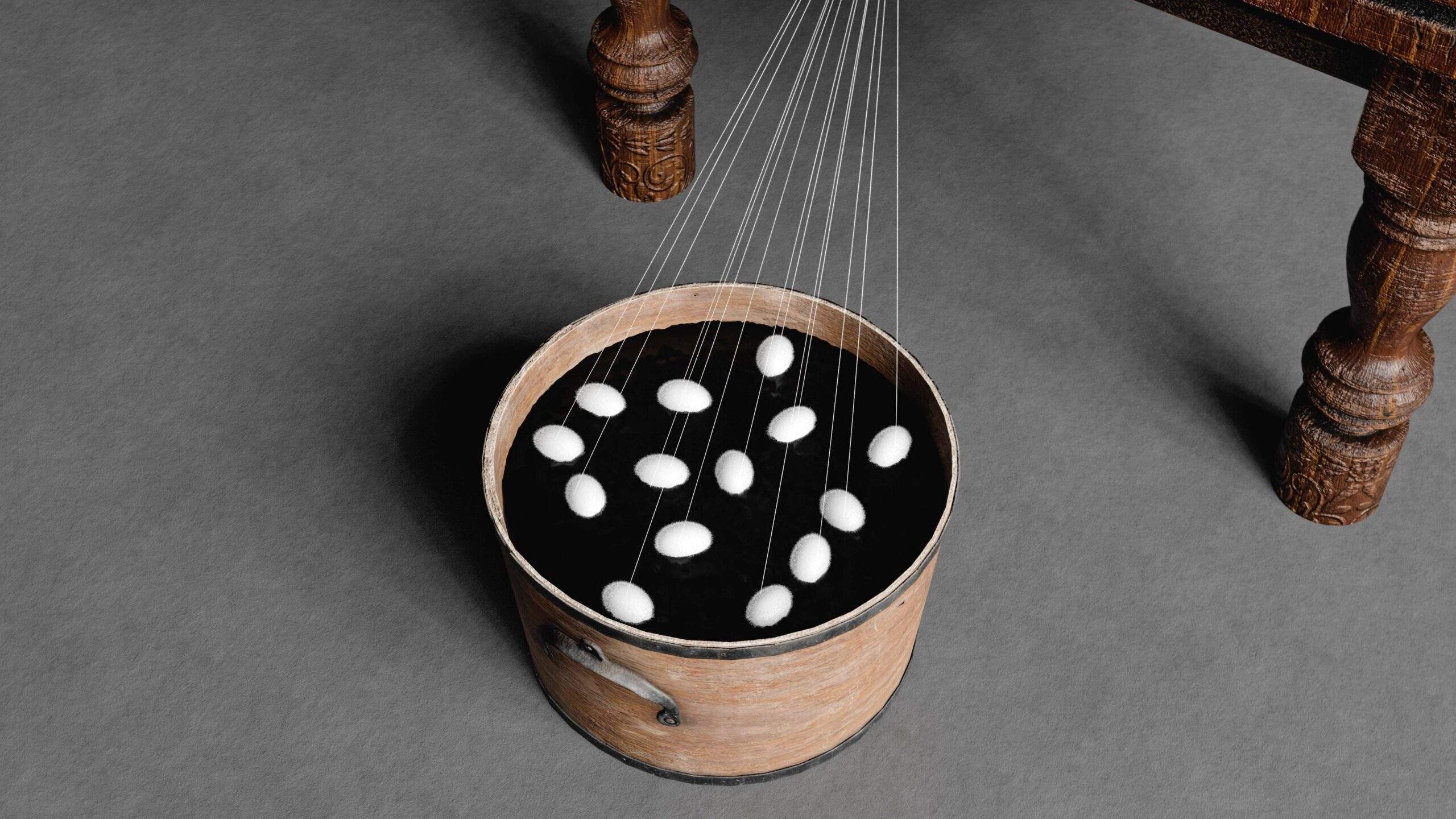
A skilled worker could then find the ends of several strands, twist them together and start reeling them onto a spool. This would combine the strands into a slightly stronger and thicker continuous yarn of silk.
From there, the process would move over to the loom, possibly one of the most important inventions ever made.
Ancient Chinese silk loom
In 2013, while digging a tunnel for a new subway in China, models of these machines were uncovered in an ancient 2,000 year old tomb. These were extremely sophisticated machines, like very early computers that could weave pre-programmed patterns into silk.
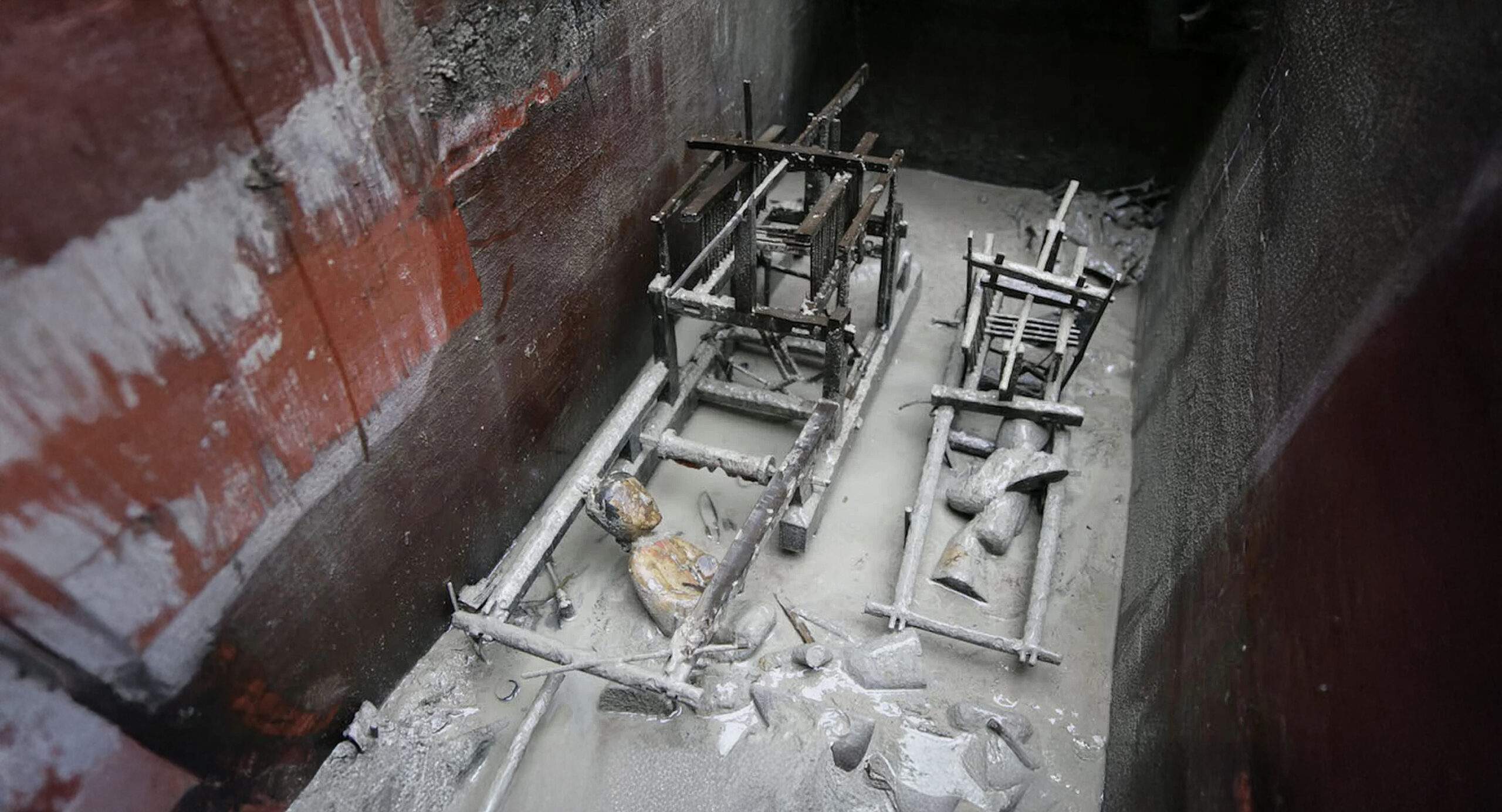
In order to turn silk threads into elegant outfits, fit for the emperors of the world, some incredible engineering had to happen.
The idea of weaving was already well established; place two sets of threads over and under each other, and friction will hold it all together. Basic wooden looms were being used to do this, but the process was painstakingly slow, and only the most skilled weavers could produce complex patterns.
That was, until ancient Chinese civilizations came up with this, the pattern loom. Here’s how it worked.
Multiple yarns of silk were tied and stretched between the back beam and the cloth beam of the loom. This kept the threads tight and evenly spaced apart.
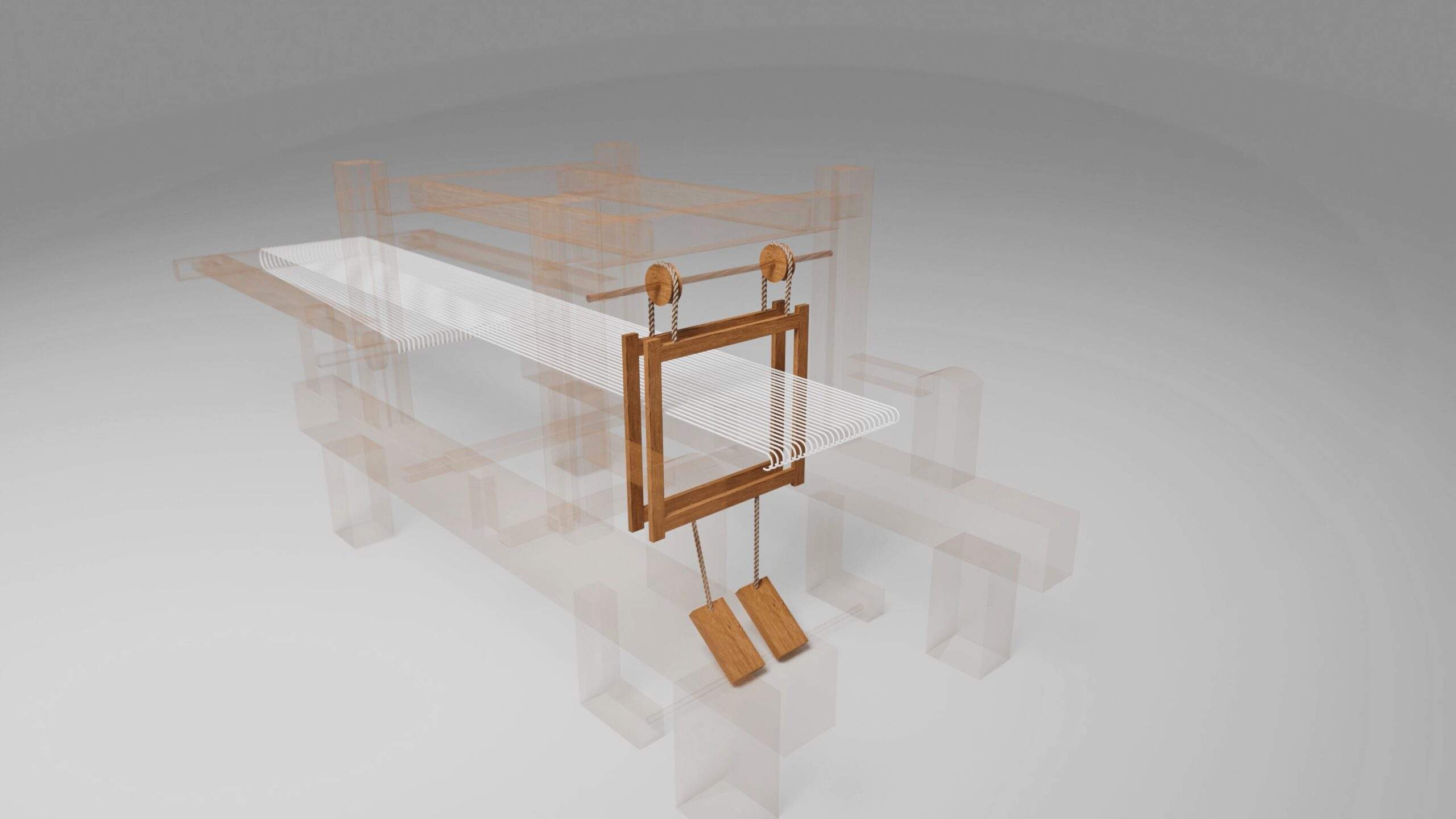
In the middle of the loom, the threads passed through two shafts that could be moved up and down by foot pedals. Attached to each shaft were sets of vertical strings, with small openings known as heddles.
The silk threads passed through alternating heddles, essentially separating the threads into two separate groups that could be raised and lowered by the weaver.
As the threads were separated, a single thread, known as the weft thread, would be passed across the opening, going above one group of threads and under the other group of threads.
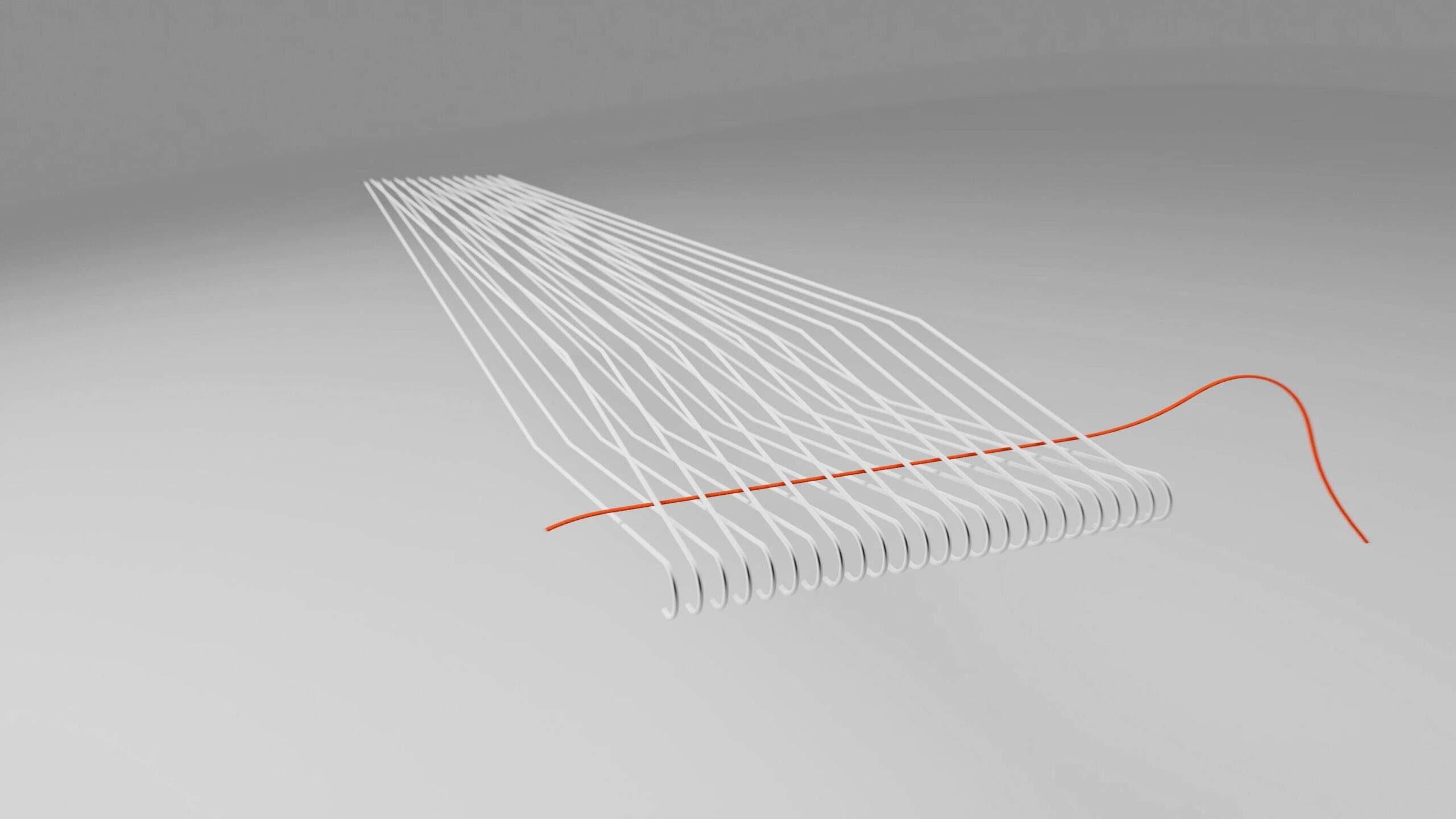
When the heddles were reversed, the thread would be perfectly woven into place.

From there, the threads passed through a reed, which the weaver would use to tightly pack the thread against the rest of the weave.
Multi-shaft loom
To make more interesting patterns, they added an extra shaft to the loom. With this, they could now separate out every third thread, or raise two and keep one down. Here’s an example.
On the first pass, if we press down shaft number 3, the weft thread goes over thread number 3 and under 1 and 2. On the next pass, if we press down shaft number 2, the thread goes over thread number 2. If we do the same for shaft number 1, you end up with a pattern of diagonal lines.

The key is that this could be easily repeated for the entire length of the threads, printing the pattern into a silk sheet many meters long.
By adding more and more shafts, more combinations of threads could be separated, and more complex patterns could be woven into the silk. These ancient silk looms started operating like very basic binary computers. Instead of 1s and 0s, the thread either passed through the heddle or not. This determined which threads would be separated and ultimately what the finished pattern would look like.
And so by threading the silk through specific heddles, certain patterns could essentially be stored into the machine.
To make these patterns repeatable and simple to weave, the engineers added a beam to the top of the loom. This would be moved along on each pass, selecting a specific shaft and lifting up a specific set of threads.
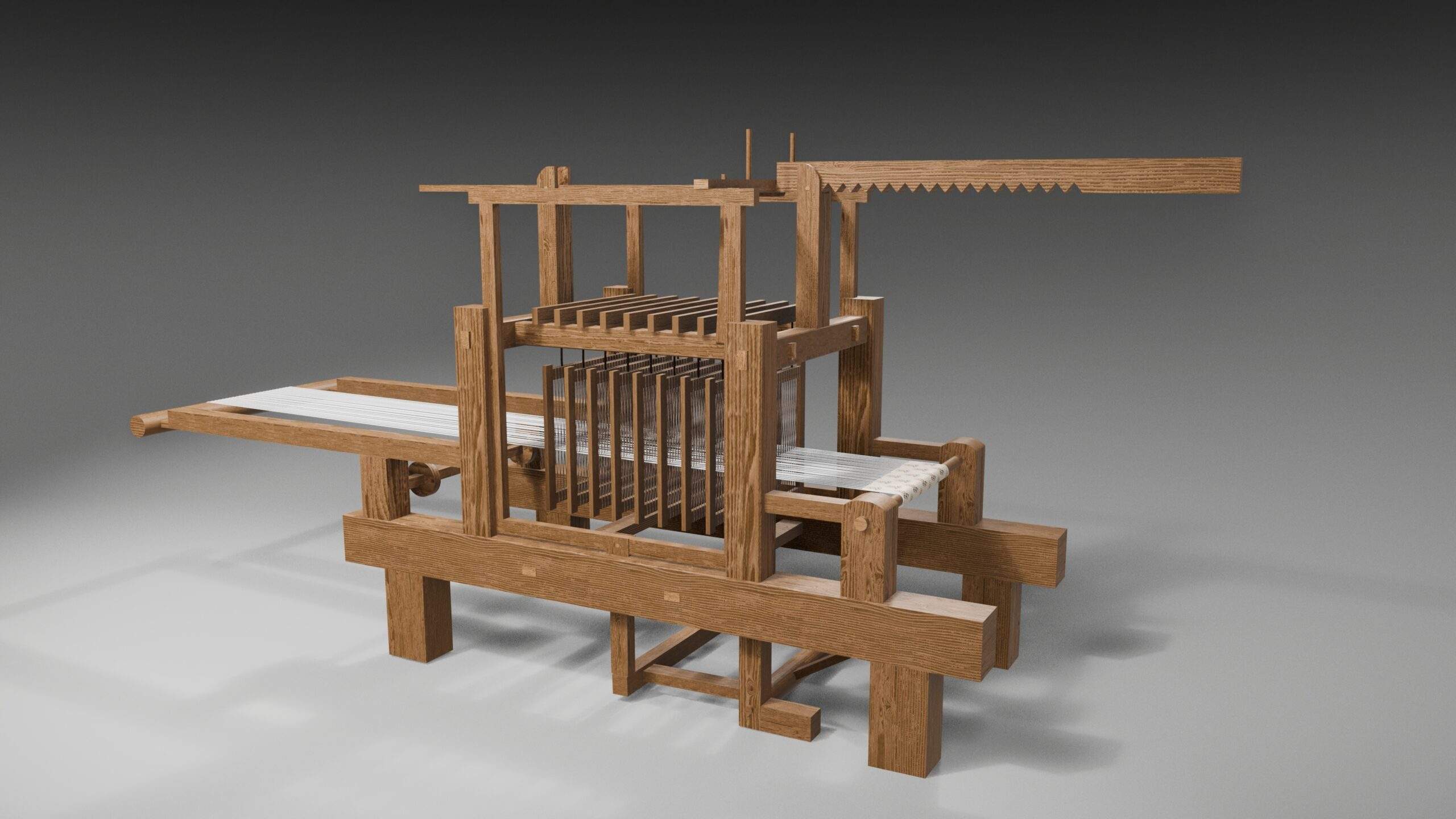
Once the loom was set up, the weaver simply went through each shaft in order, and the pre-programmed pattern would appear.
The key was that anyone with basic skills could use this machine, and it could produce repeatable, complex patterns quickly.
The Silk Road
The silk industry exploded throughout China. Bigger machines with up to 60 shafts were created, and more and more complex patterns started being produced. The silk moths were systematically bred to produce silkworms that made longer, stronger and whiter threads.
The rest of the world had no idea how these products were being made, but they loved them and would pay a lot of money for anything made from silk. With a complete monopoly over the world’s most valuable item, China went out and developed the Silk Road, a network of trade routes linking China with the Western world.
When the Industrial Revolution came along, much more advanced machines took over the silk industry. But it all started thanks to the incredible engineering of those ancient Chinese civilizations.