
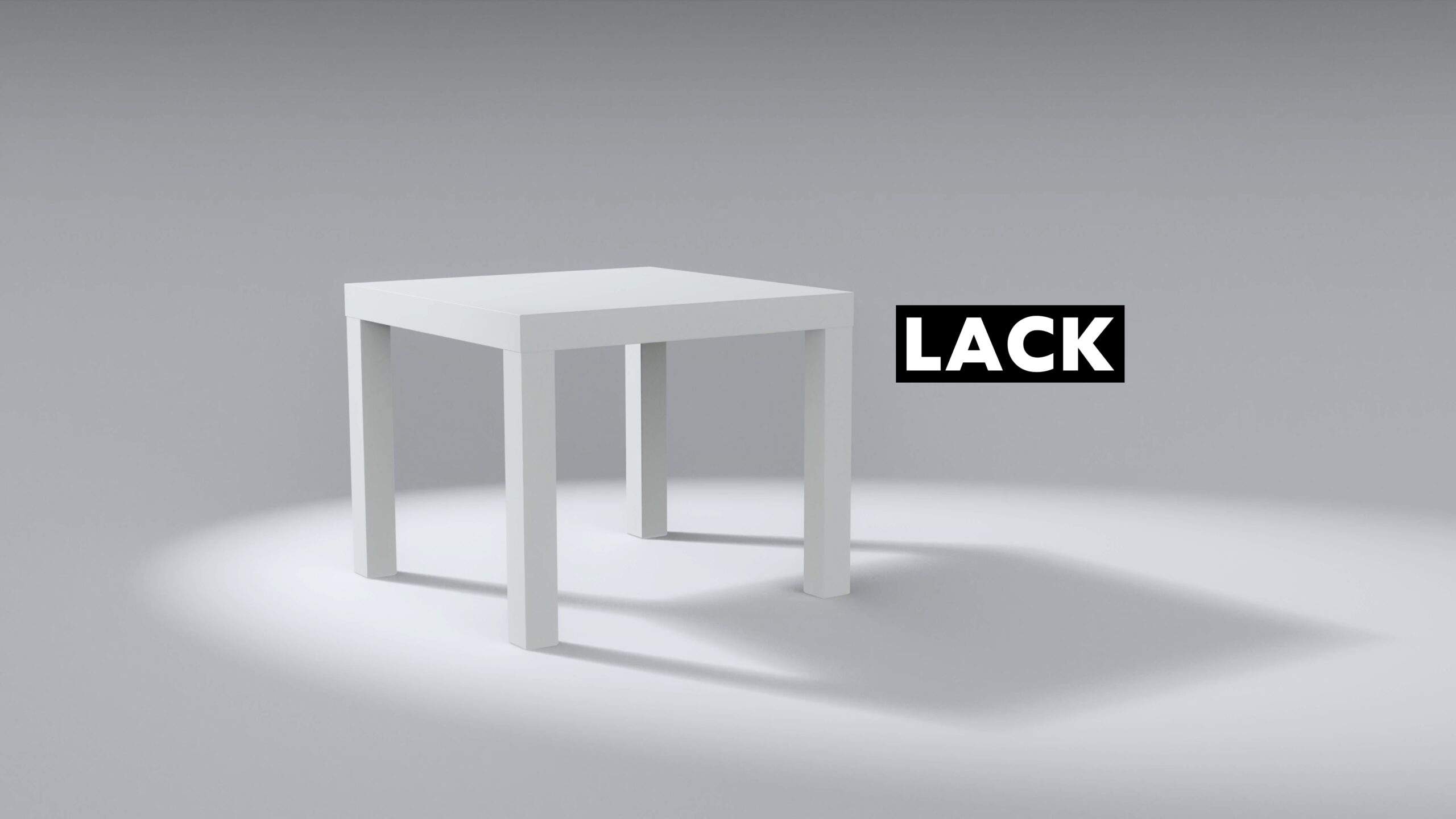
This is the LACK coffee table, one of IKEA’s most important products. If you had to design the simplest table possible, you’d come up with this. It has no fancy angles, no intricate details, no patterns and yet, it’s an engineering masterpiece. Thanks to its simplicity, it hit the market in 1981 at just under ten euros, blowing the cheapest alternatives out of the water.
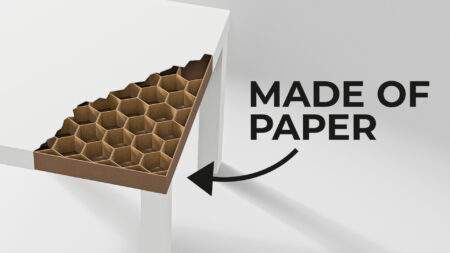
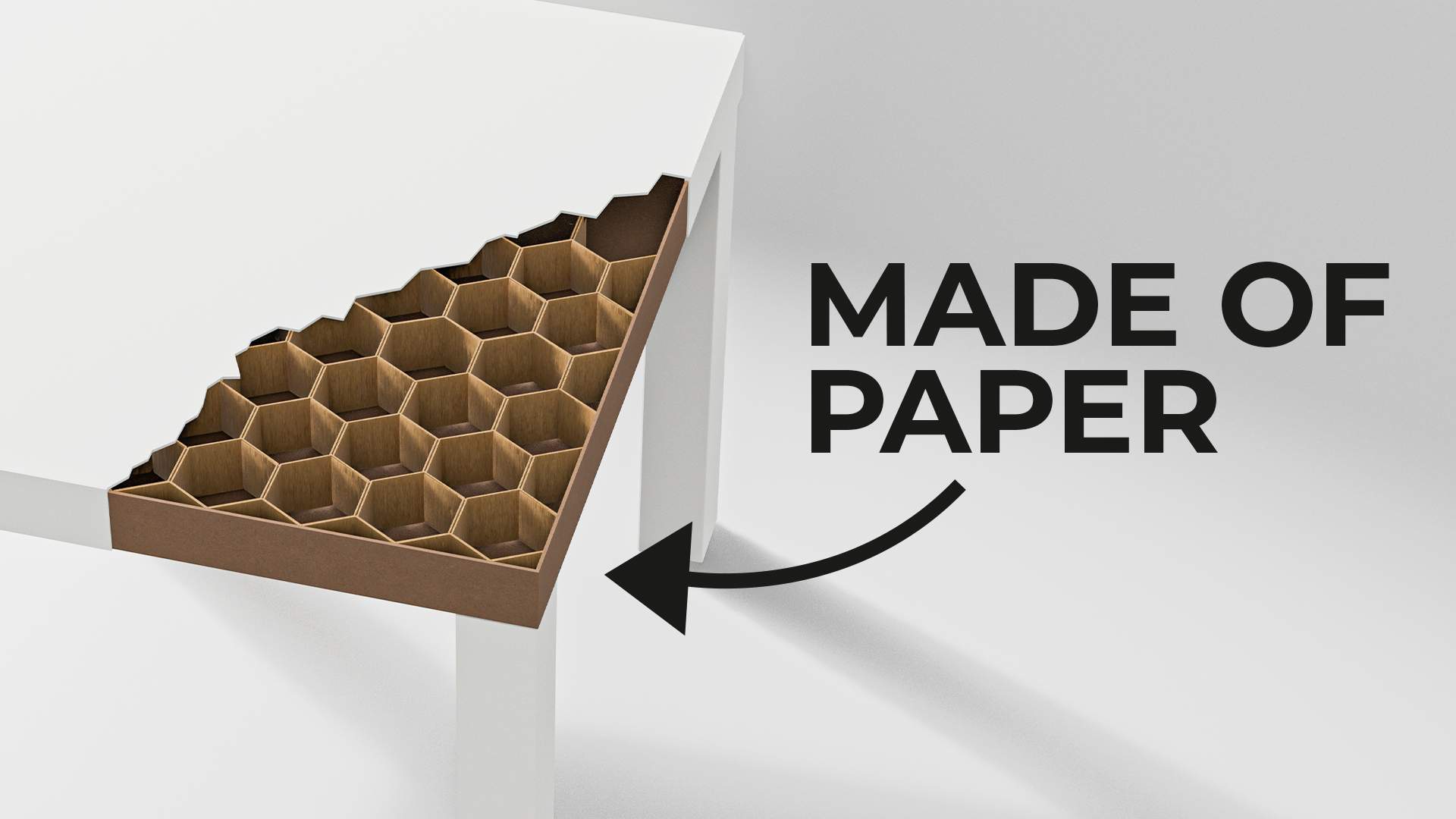
Incredibly, even after decades of inflation, IKEA has never increased its price, and it still sells for just nine ninety-nine. In order to pull this off, IKEA had to get creative, and that’s why this table… is made of paper.
This is just one of many engineering breakthroughs that allowed IKEA to cut costs, simplify assembly, and make furniture affordable for everyone.
If you’re over a certain age, chances are you’ve assembled IKEA furniture. The materials, the fasteners and the way it all goes together feels familiar – and with almost no skill and very basic tools, anyone can do it. But it wasn’t always like this.
Furniture before IKEA
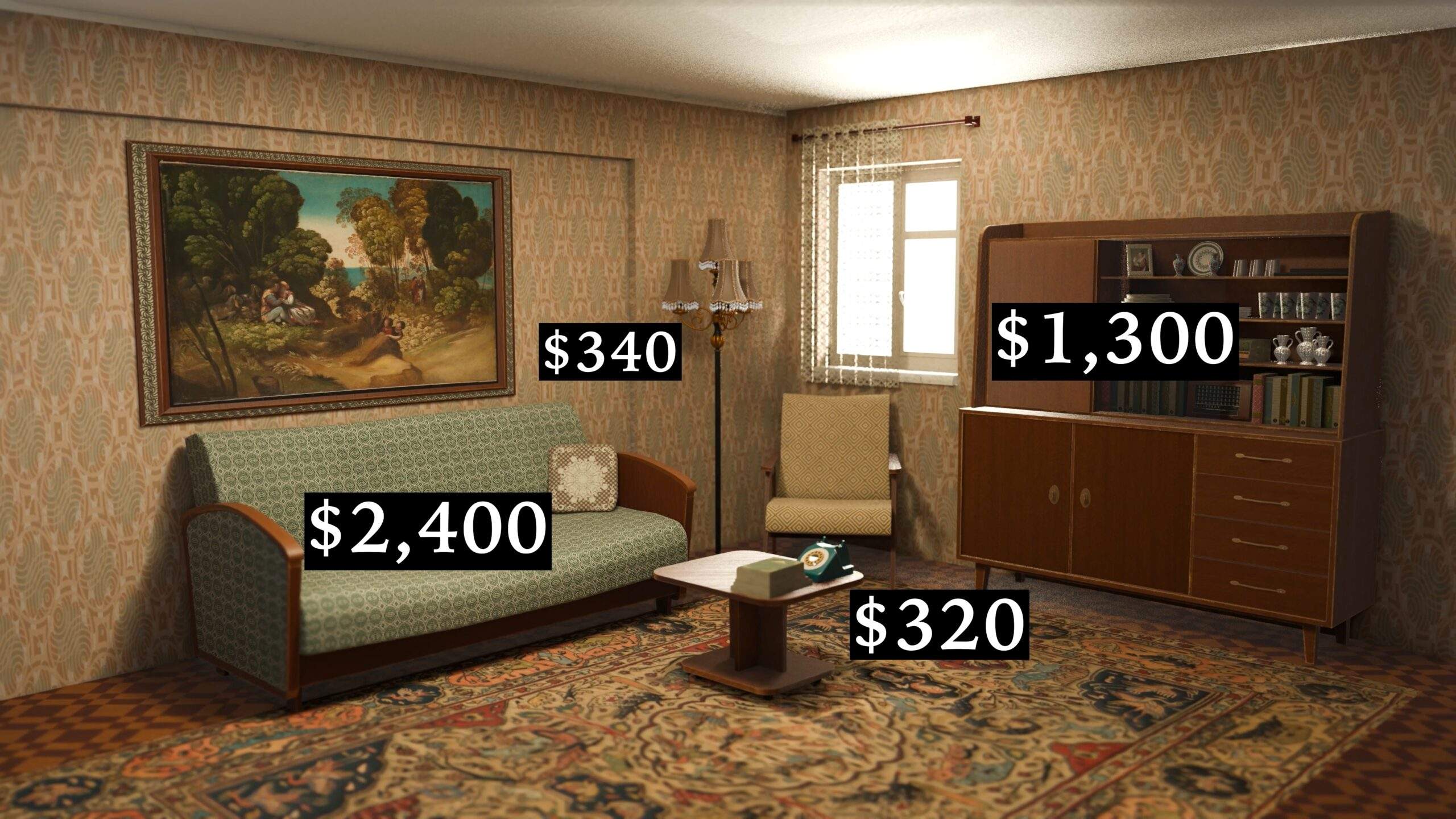
Before the 1950s, furniture was heavy and expensive. If you wanted a new wardrobe, a professional woodworker would spend weeks making it, and then a moving company would transport it to your home fully assembled. If it didn’t fit through the door, you’d have to pay another professional to assemble it inside your home.
Every step of the process was slow and costly – and so filling your home with everyday items was extremely expensive. But all of this changed one day in 1956.
Flat pack idea
In a small town in rural Sweden, product designer Gillis Lundgren was struggling to fit his latest creation into the back of his car, a coffee table for the local furniture company IKEA. The awkward shape of the legs made it impossible, so he sawed them off, and the table slid perfectly into the car.
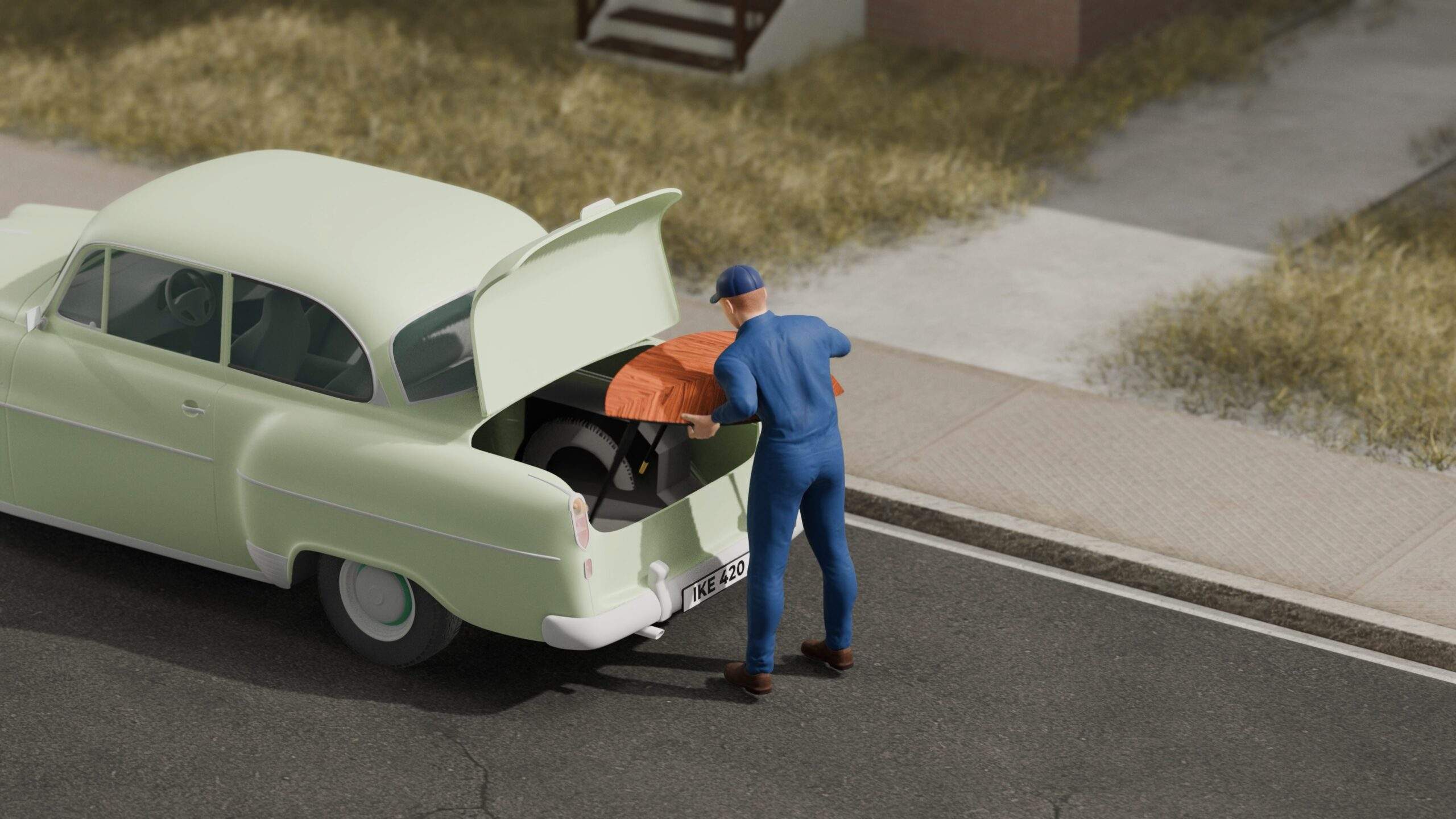
That’s when it clicked. If all of IKEA’s products could be packed flat like this, customers could deliver and assemble the products themselves, cutting out a huge part of the cost.
Lundgren pushed this idea to his boss, and soon the table was redesigned with legs that simply screwed on. It was a small design change, but it allowed IKEA to pass the burden of delivery and assembly onto the customer.
Over the next few years, the price of the table dropped, and soon, IKEA redesigned its whole catalog to be flat-packed and self-assembled. It was a genius move, and throughout the 60s, IKEA went from just a single store in Sweden to managing multiple stores across Europe.
IKEA’s wood problem
But as they started mass producing more and more furniture, they ran into an unavoidable problem – the wood itself.
As humidity changes, the natural fibers in real wood expand and contract, causing the wood to warp in unpredictable ways. For a custom-made piece of furniture, this wasn’t a huge problem to overcome.
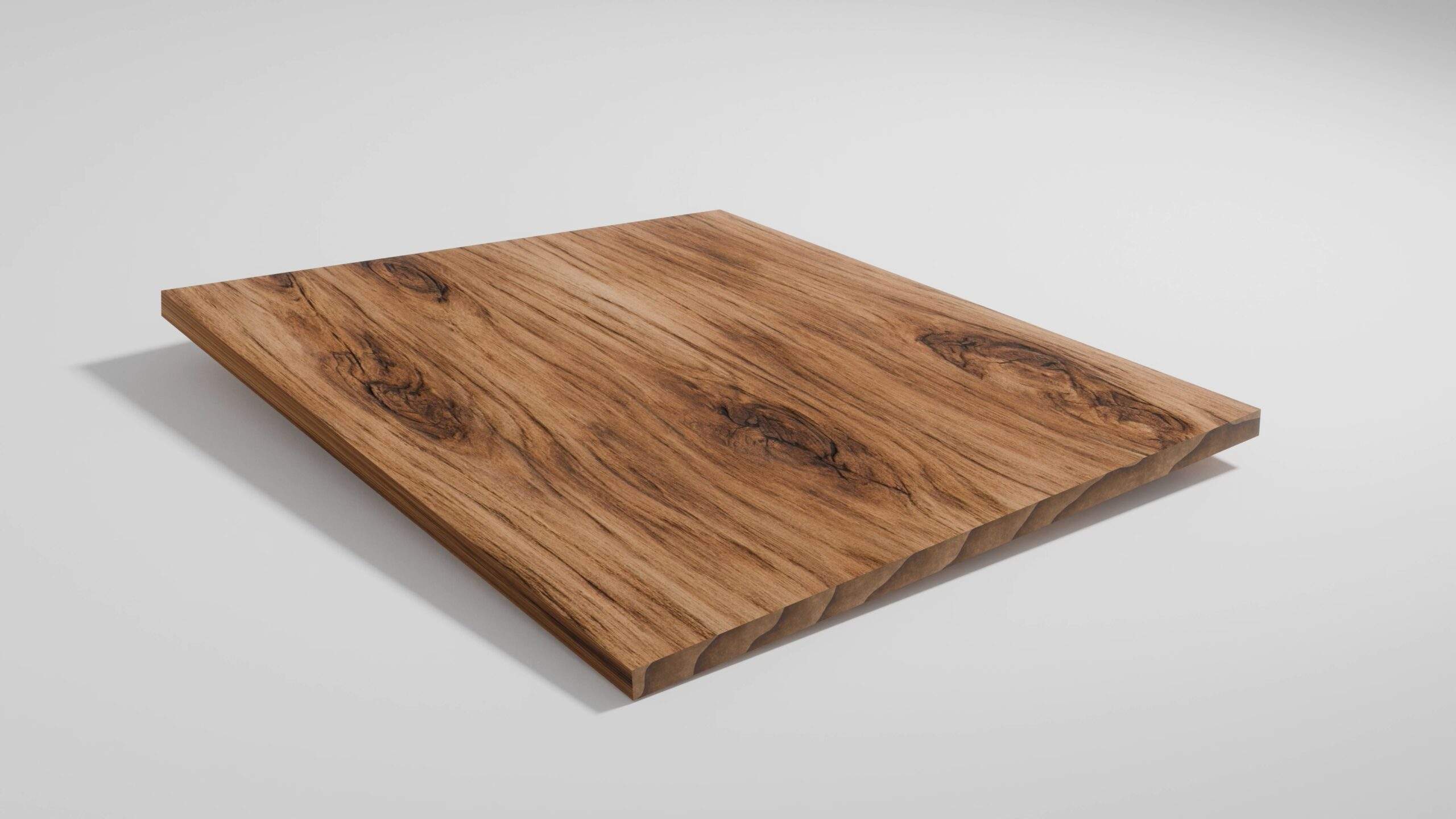
But when it came to mass producing thousands of parts, screw holes wouldn’t line up, and parts wouldn’t fit together, making the assembly a nightmare for the customer.
To get around this, IKEA started working with factories in Poland to mass produce particleboard, an engineered wood made from sawdust and resin, pressed together to form perfectly flat boards. Without the continuous grains of real wood, particleboard was incredibly stable, maintaining its flat shape, without warping.
This allowed them to mass produce panels with millimeter accuracy, and for a much cheaper cost. But particleboard had one big drawback.
Regular screws simply turned particleboard into dust without holding it together. And so, IKEA had to come up with a stronger and simpler way of assembling its products.
Cam lock fasteners
Instead of screws, it started experimenting with knock-down fasteners, special hardware used to connect two panels together. Many different types already existed, but they hadn’t been perfected for particleboard furniture.
The most promising of these was the cam lock. By altering the thread size, the lock shape and predrilling the holes, they could be screwed into particleboard without destroying it.
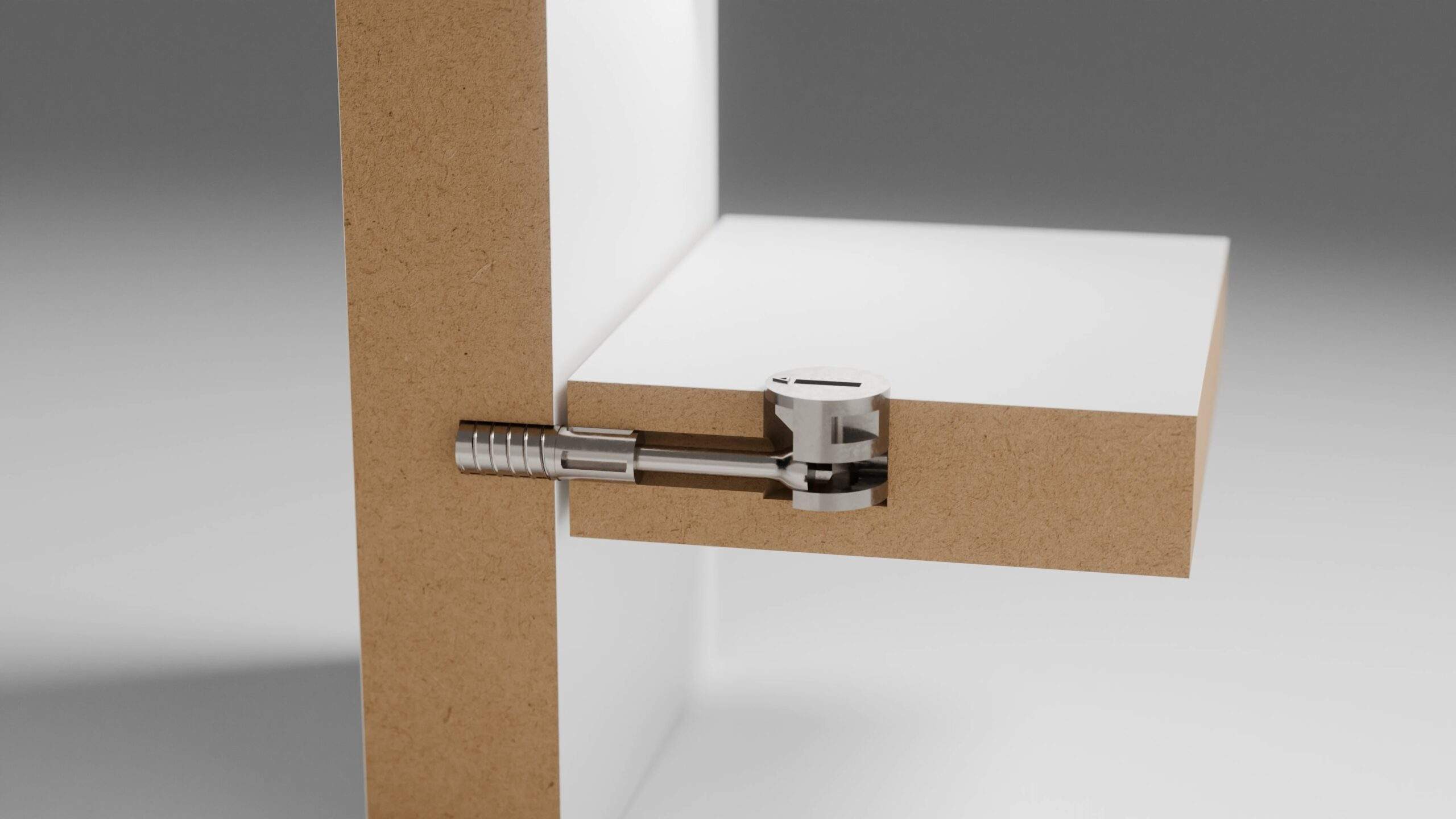
The dowel would screw into the first panel and slide straight into a corresponding hole on the opposite panel. The lock would then be inserted into another pre-drilled hole, and by simply twisting it, it would lock onto the dowel and pull the two panels together. It was incredibly simple, and could even be done without using tools.
Cam locks started appearing in every IKEA instruction manual, simplifying assembly for customers and reducing the manufacturing costs.
IKEA was on a roll, and it continued opening new stores all over the world throughout the 70s. That’s when it realized that part of its success wasn’t just due to the products, but the IKEA store itself.
Design of the IKEA store
When the first store opened in 1958, it had a very unique design. Instead of multiple aisles where customers went straight to what they wanted, the IKEA store had a single path that weaved its way through a series of showrooms. Before customers could reach the checkout, they had to walk past every item in the store.
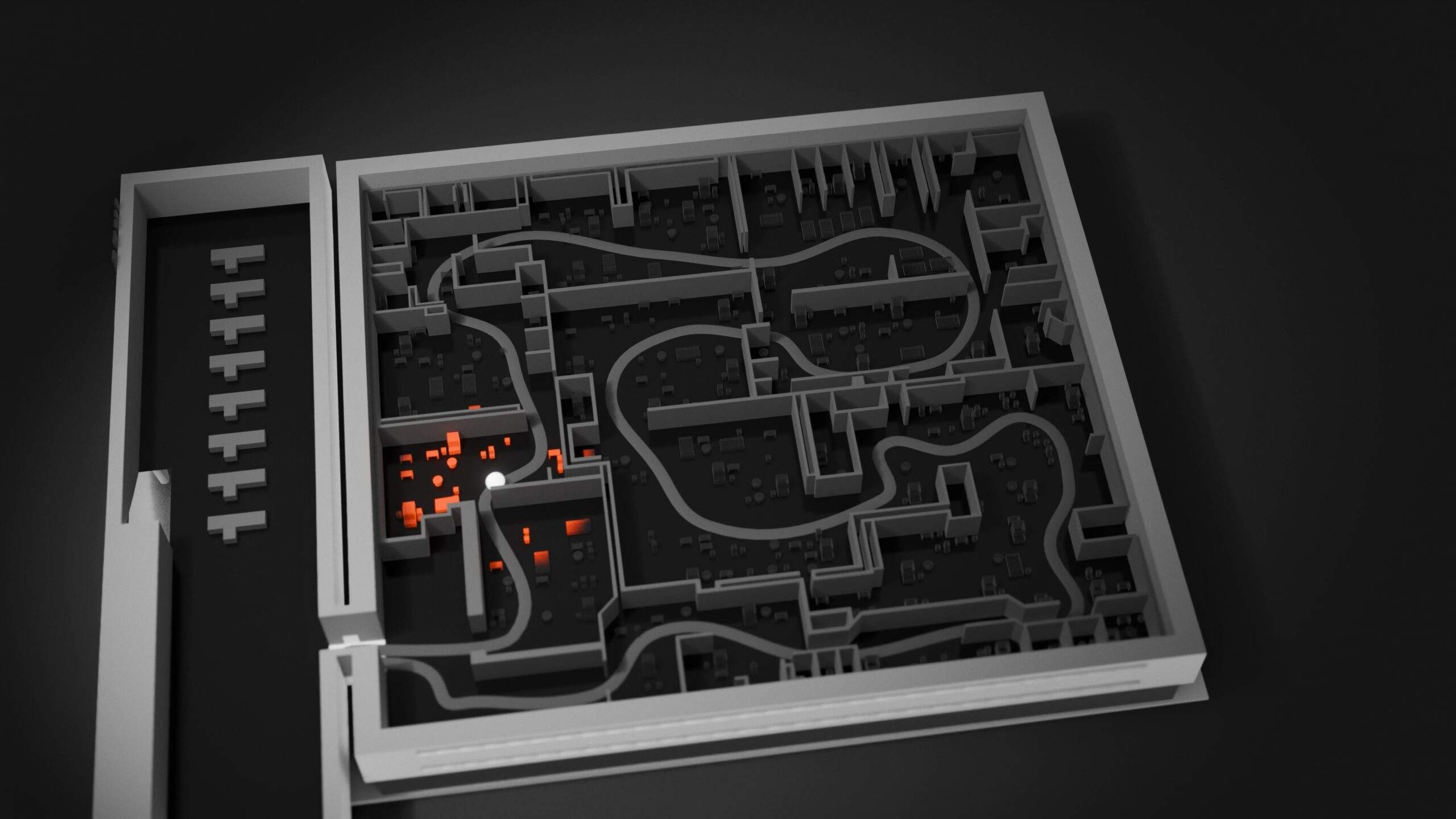
With this maze-like design, customers became lost and disoriented, not knowing where the end was or how long they had left. They started to forget what they actually came to buy in the first place, and they became more open to impulse purchases.
The layout of the path itself was important, as it gave customers regular spaces to stop and take in all the products that were on show.
The IKEA store became an experience rather than just a store, and this dramatically increased sales. Customers would enter to buy one thing, and leave with much more.
IKEA realized the effect this had on people and continued opening stores around the world, leaning into this maze-like layout.
Using less material
But to supply their ever-growing business, they needed wood, and lots of it. At the time, IKEA was getting most of its wood from suppliers in Poland. But whenever the suppliers upped their prices, it put IKEA’s already cheap products in a tough spot. The solution was to make the same products, but by using far less material.
And so, IKEA set its designers a task – make a table with a price that no competitor could even come close to matching.
IKEA’s honeycomb structure
The key was in the hexagon. It might not seem like it, but this shape holds special qualities seen throughout nature that maximize strength and minimize weight.
Other shapes could be used, but all of these end up with straight paths where a single force could be sent through and break the structure. With hexagons, each wall is 120 degrees apart, and so incoming forces get spread more evenly throughout the structure, making it incredibly strong.

Most importantly, it achieves this strength using less material than any other shape.
This idea had already been used in planes, cars and ships to make lightweight metal walls. IKEA took it and turned it into paper. Here’s how it worked.
First, a machine would turn rolls of paper into a honeycomb structure and place it into a sturdy particleboard frame. Then, the honeycomb would be glued and sandwiched between two thin particleboard sheets. The result was a super strong and lightweight table top that looked just like wood while using only a tenth of the material.
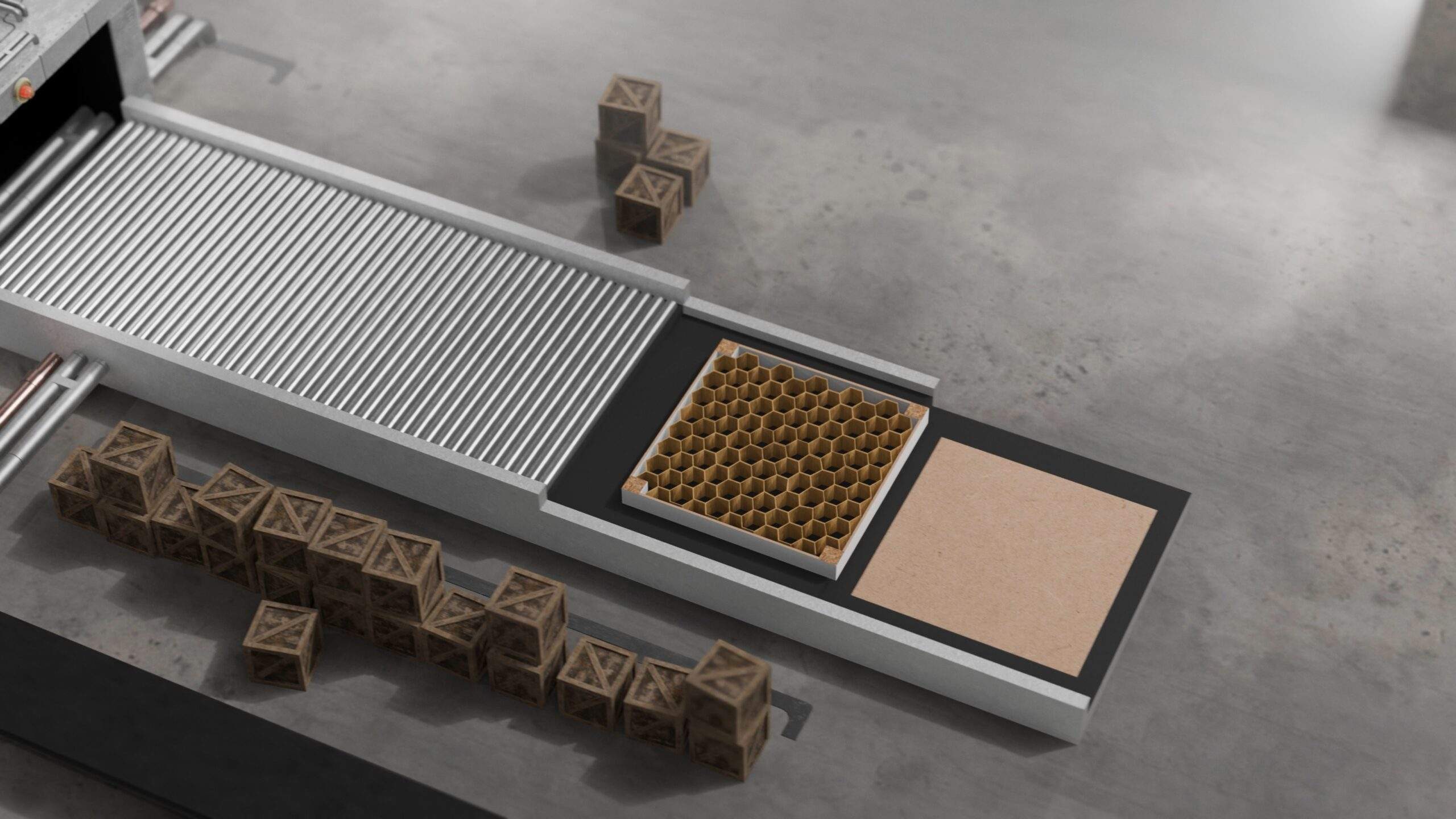
On top of that, since everything was made from engineered wood and paper, recycled materials could be used at scale. Thanks to this amazingly strong and efficient design, IKEA achieved its goal, and the table went on sale in 1981 for nine ninety-nine.
It was an instant hit, selling millions in its first year. But throughout the 90s, labor and material costs started to rise once again, and the LACK’s nine ninety-nine price tag was in danger.
Keeping the LACK table cheap
The only thing left to optimize was the legs. The honeycomb method didn’t fit inside, and so they were still being made from solid wood. But with tens of millions of legs being made every year, a small improvement could save IKEA a lot of money. It tried switching to plastic legs, but over time the plastic would discolor and end up looking different from the top.
And so, together with its Polish manufacturers, IKEA developed a brand-new machine that could accurately fold thin particleboard and glue it around three wooden blocks. The end result was a virtually empty leg that could be made almost completely autonomously.
It may not be the prettiest or most impressive-looking table, but it’s the perfect example of how IKEA’s quest for efficiency helped make furniture accessible to everyone.